

Recipe courtesy of Chef Lee Garman of North American Traditional Indigenous Food Systems (NATIFS), a Newman’s Own Foundation grantee partner since 2021.
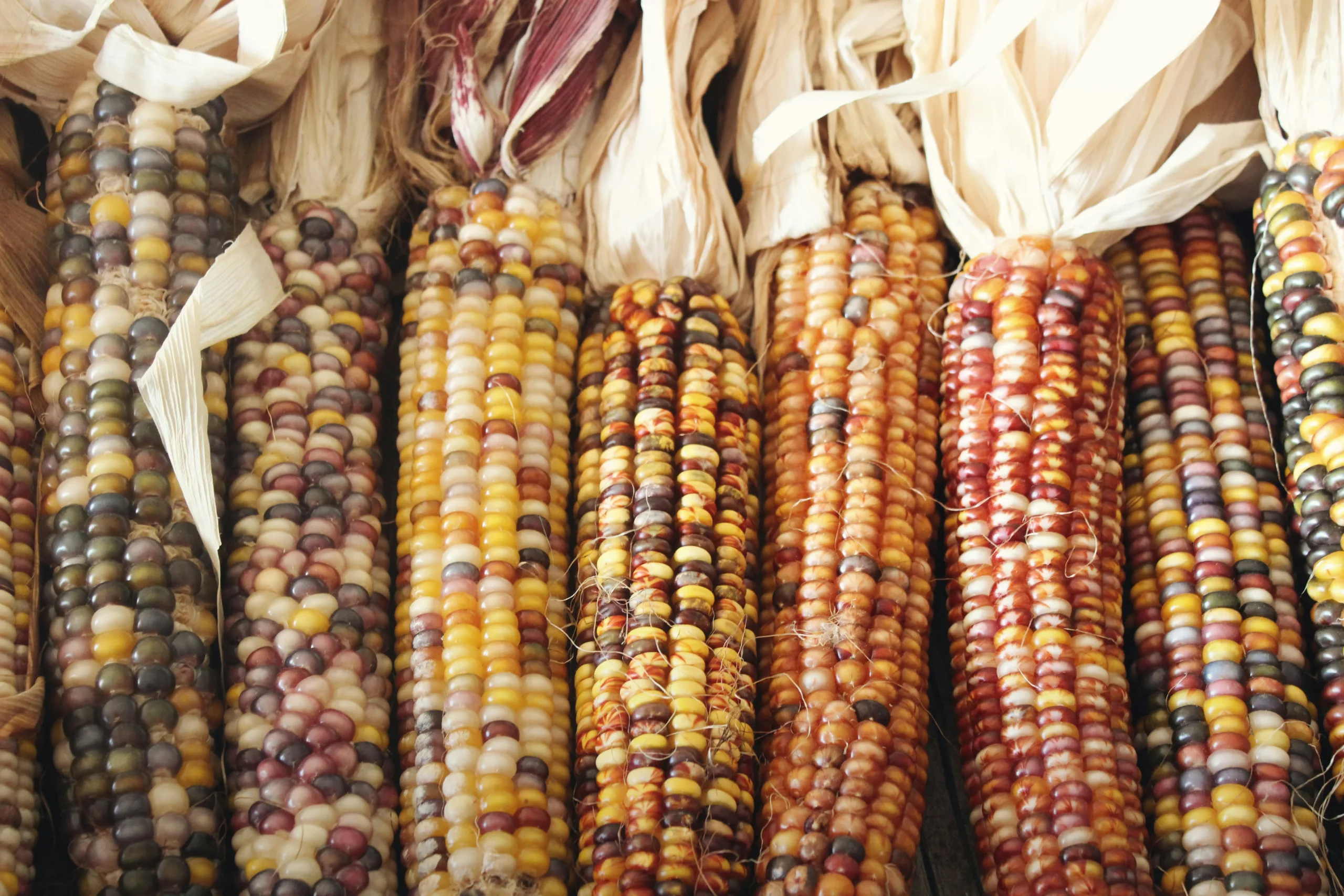
For generations, Indigenous peoples across Turtle Island have planted the Three Sisters—corn, beans, and squash—together in a system that nourishes the people and soil. Now known as companion planting, this Indigenous system not only nourishes people but also the land itself. This recipe celebrates the three sisters as well as bison, or Buffalo—an animal central to many Indigenous people’s way of life.
An ancient bean native to the Sonoran desert, tepary beans have more protein and higher fiber than common beans. They also take much longer to cook! Soak overnight, then allow 8-10 hours to cook (consider cooking beans a day or two before the stew.)
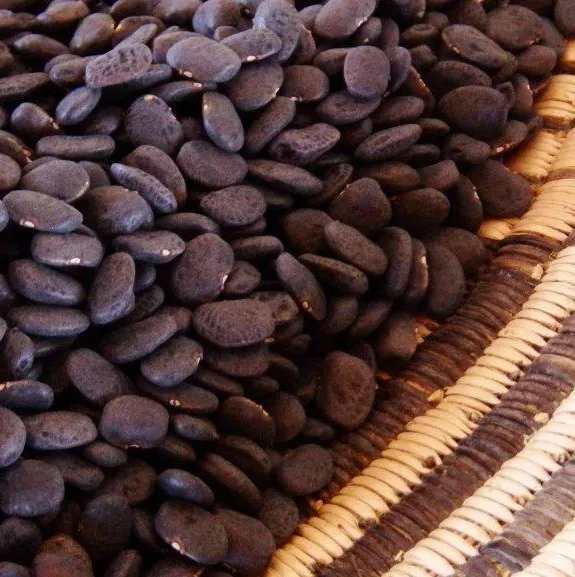
Black tepary beans. Photo courtesy of Ramona Farms.
Recipe
Three Sisters Stew
Ingredients
- 1 pound butternut or kabocha squash
- 1/4 cup maple syrup
- 2 teaspoons kosher salt, divided, plus more to taste
- 1 pound bison ribeye, cut into 1-inch stew cubes
- 2 tablespoons vegetable oil
- 2 tablespoons bison or duck fat
- 2 medium yellow onions, cut into 1/4-inch slices (about 3 cups)
- 1 tablespoon minced garlic
- Water, as needed
- 8 cups bison or beef stock, divided
- 2 (15.5-ounce) cans hominy, drained and rinsed (about 3 cups)
- 3 cups cooked black tepary beans or 2 (15.25-ounce) cans black beans, drained and rinsed
Tools and equipment needed
- Sheet tray
- Food processor or blender
- Large pot
Instructions
- Preheat oven to 400°F. Cut squash in half lengthwise, and remove the seeds. Place squash, cut side up, on an aluminum foil-lined rimmed baking sheet. Rub cut sides with maple syrup and sprinkle with 1/2 teaspoon of the salt. Roast in preheated oven until tender, 40 to 50 minutes.
- Meanwhile, sprinkle bison with 1 teaspoon of the salt. Heat oil in a large heavy-bottomed pot. Add bison, and cook until browned on all sides, about 6 minutes total, adjusting heat as needed to prevent overbrowning. Remove bison, reserving drippings in pot. Add duck fat, onions, and garlic, scraping bottom of pot to dissolve any browned bits. Cook onion mixture over medium-high, stirring frequently, until very softened and caramelized, about 20 minutes. (Add water, 2 to 4 tablespoons at a time, as needed, to deglaze and prevent browned bits from burning.)
- Scoop roasted squash flesh into a blender, and discard skins; add onion mixture and 4 cups of the stock. Process until smooth, about 30 seconds to 1 minute.
- Return squash mixture to pot; add bison, remaining 4 cups stock, and remaining 1/2 teaspoon salt. Bring to a simmer over medium, about 5 minutes. Reduce heat to medium-low; partially cover, and simmer, stirring occasionally, until bison is fork-tender, about 1 hour, 20 minutes to 1 hour, 40 minutes. Add additional water, 1/2 to 1 cup at a time, if needed, to keep bison submerged; adjust heat as needed to maintain a simmer.
- Stir hominy and black beans into pot. Cook, uncovered and stirring occasionally, until heated through, 5 to 8 minutes, adjusting consistency with water as needed and seasoning to taste with salt, if desired.
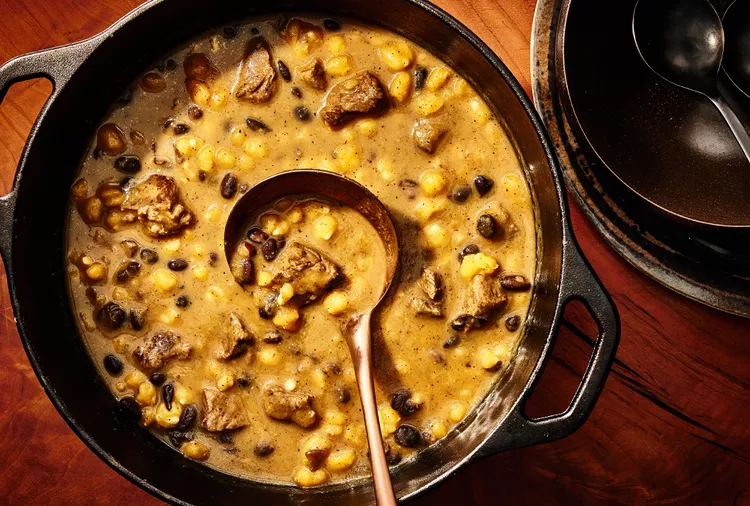
Photo by Food & Wine.
November 5, 2026
Nourishing Communities Through Indigenous Foodways: Conversation + Cooking with NATIFS
Join us for a virtual conversation + cooking event with Chef Lee Garman in celebration of Native American Heritage Month! As you cook along with Chef Lee Garman, you’ll learn more about NATIFS work supporting Indigenous youth as well as the James Beard Award winning restaurant Indígena by Owamni.
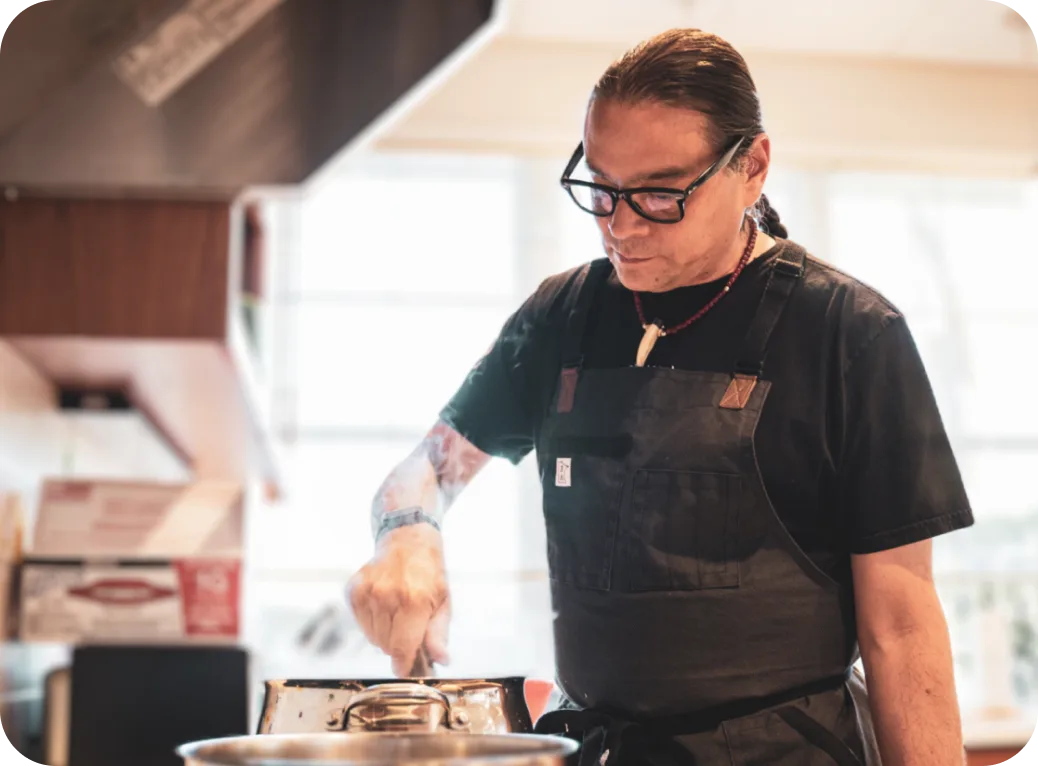
Photo courtesy of NATIFS.