Meet the Changemakers
Filters ( 0 )
Africa
Alaska
Asia
Australia and New Zealand
Europe
Guam
Hawai’i
Middle East
US: Midwest
US: Northeast
US: South
US: Southeast
US: Southwest
US: West
Select allIndigenous Food Justice
Nutrition Education & School Food
SeriousFun
Food Justice for Kids Prize Recipient
32 results
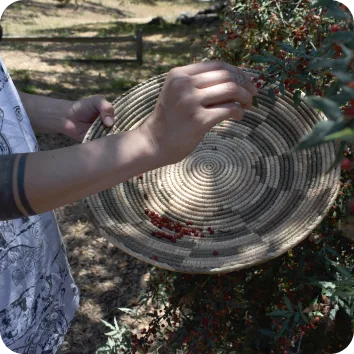
California Indian Culture and Sovereignty Center
Indigenous Food Justice
California
Central Council of Tlingit & Haida Indian Tribes of Alaska
Indigenous Food Justice
Alaska
Cheyenne River Youth Project
Indigenous Food Justice
South Dakota
Chickahominy Indian Tribe
Indigenous Food Justice
Virginia
Dream of Wild Health
Indigenous Food Justice
Minnesota
Eastern Band of Cherokee Indians Cooperative Extension Center
Indigenous Food Justice
North Carolina
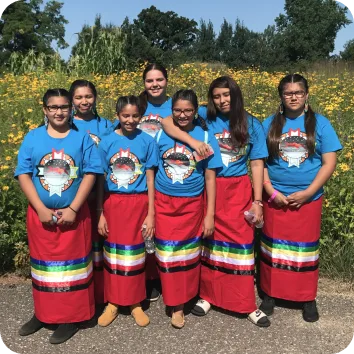
First Nations Development Institute
Indigenous Food Justice
Colorado
GBH’s Molly of Denali
Indigenous Food Justice
Massachusetts
Hoʻokuaʻāina
Indigenous Food Justice
Hawaii
Intertribal Agriculture Council
Indigenous Food Justice
Montana
Iwikua
Indigenous Food Justice
Hawai’i
Kake Tribal Heritage Foundation
Indigenous Food Justice
Alaska
Keres Children’s Learning Center
Indigenous Food Justice
New Mexico
Ma Ka Hana Ka ‘Ike
Indigenous Food Justice
Hana, Hawai’i
Makoce Agriculture Development
Indigenous Food Justice
South Dakota
Mino Bimaadiziiwin Tribal Farm, Red Cliff Band of Lake Superior Chippewa
Indigenous Food Justice
Wisconsin
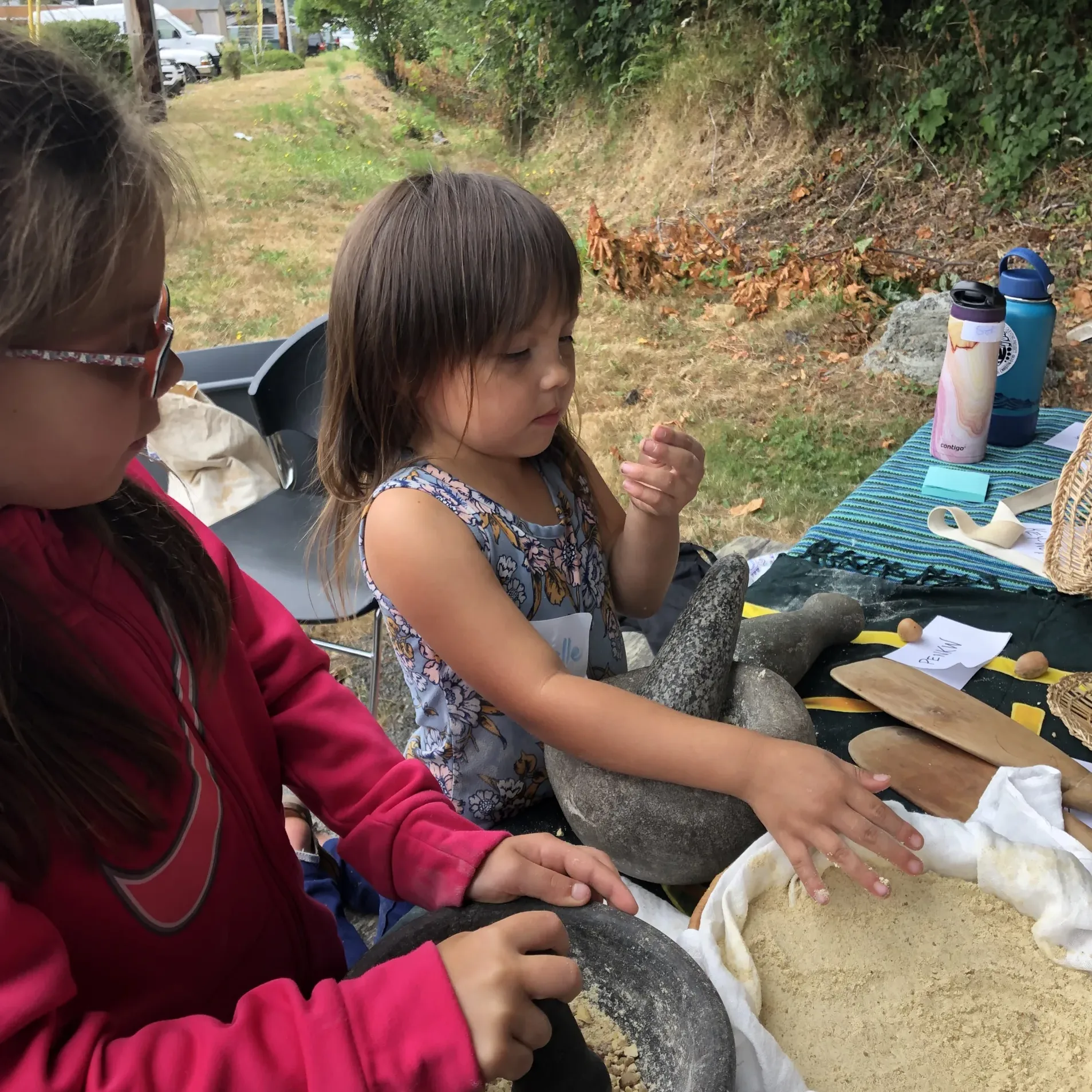
Photo courtesy of Yurok Tribe Environmental Department Food Sovereignty Program.
Yurok Tribe Environmental Department Food Sovereignty Program
The Yurok Tribe is a federally recognized Tribal government. The Yurok Tribe Food Sovereignty Program is grounded in the understanding that food is more than sustenance, it is culture, ceremony, identity, and responsibility. The program is committed to ensuring that every Yurok Tribal member has access to foods that nourish both body and spirit, provided in ways that honor ancestral teachings and the natural world.
Photo courtesy of Yurok Tribe Environmental Department Food Sovereignty Program.
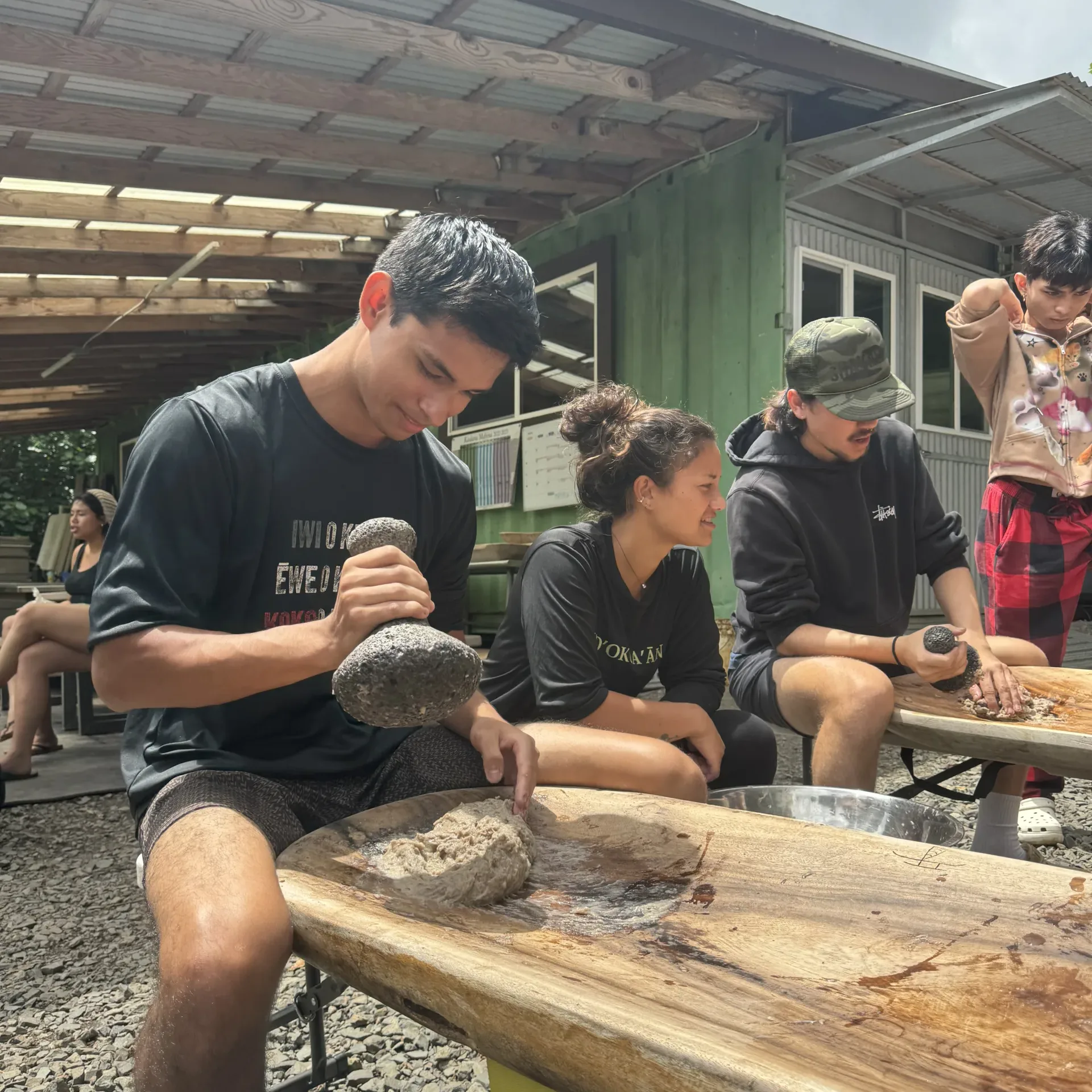
Photo courtesy of Hoʻokuaʻāina.
Hoʻokuaʻāina
Hoʻokuaʻāina’s mission is to cultivate a culture of individual well-being and community waiwai (abundance, resilience) through aloha ʻāina. They are working to nourish their entire ahupuaʻa (watershed) with culturally-rooted food grown with aloha. At the same time, we are building a regenerative system grounded in ancestral wisdom, one we hope will uplift communities across Hawaiʻi and inspire transformation around the world.
Photo courtesy of Hoʻokuaʻāina.
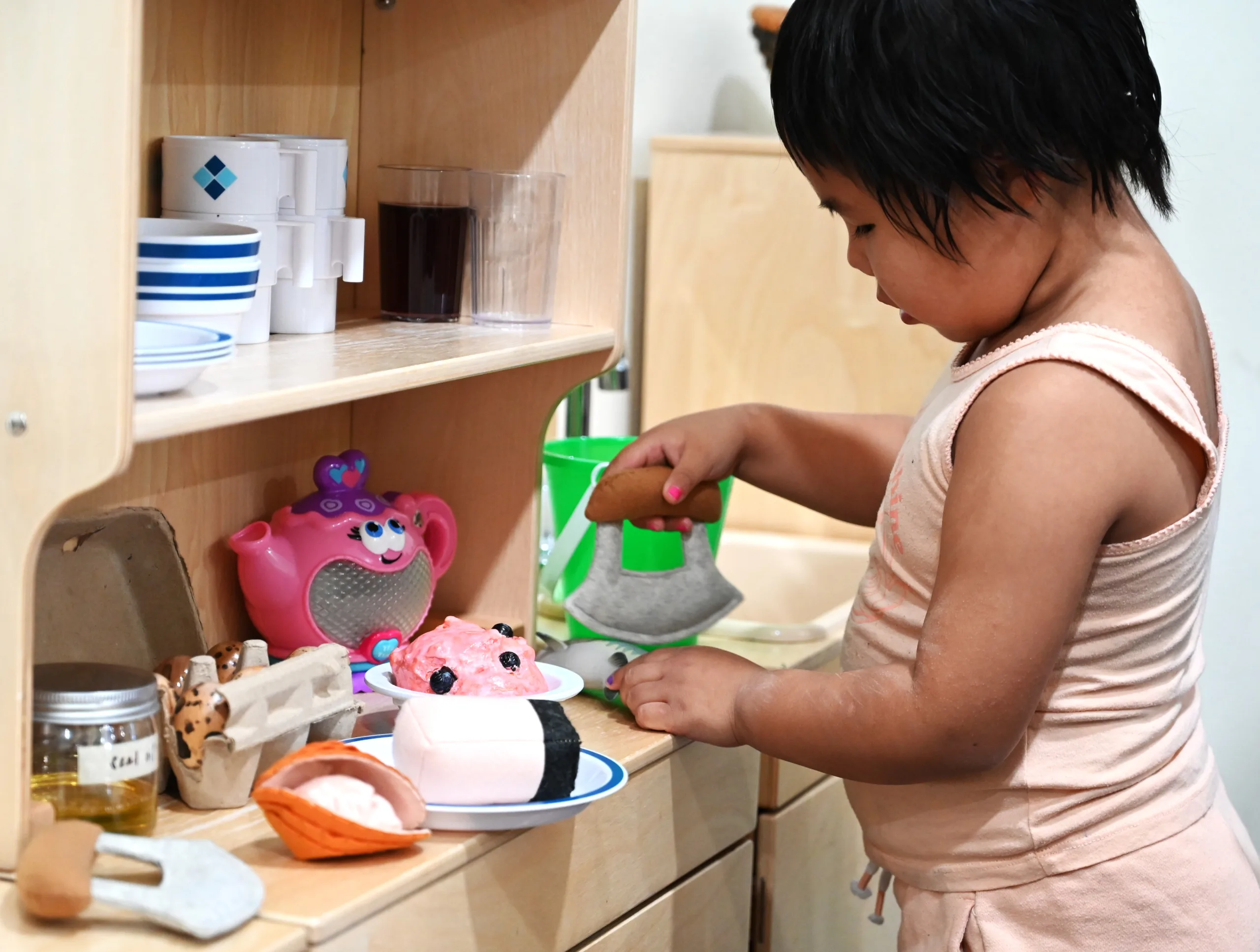
Photo courtesy of Rural Alaska Community Action Program.
Rural Alaska Community Action Program (RurAL CAP)
Rural Alaska Community Action Program’s mission is to empower low-income Alaskans through advocacy, education, affordable housing, and direct services that respect their unique values and cultures.
This Food Justice for Kids Prize grant recipient is funded by Humanitix. Learn more about the Food Justice for Kids Prize at foodjusticeforkids.org.
Photo courtesy of Rural Alaska Community Action Program.
Photo courtesy of One Spirit.
One Spirit
The One Spirit Mission is to help the Lakota meet the basic needs of their people and provide a culturally rich life for their youth. The goal of all programs is to reduce or eliminate hunger, replace the high drop out and suicide rates among youth with an enthusiasm for learning and a pride in their Lakota heritage; and, provide protection from the winter cold that can drop to 40 below zero.
This Food Justice for Kids Prize grant recipient is funded by Humanitix. Learn more about the Food Justice for Kids Prize at foodjusticeforkids.org.
Photo courtesy of One Spirit.
Eastern Band of Cherokee Indians Cooperative Extension Center
The Eastern Band of Cherokee Indians Cooperative Extension’s mission is to preserve and protect Cherokee culture, enhance agriculture, forest, and food systems, develop responsible youth, strengthen and sustain families, conserve and improve the environment and natural resources, and build quality communities.
The Eastern Band of Cherokee Indians/North Carolina Cooperative Extension is an educational partnership between the Eastern Band of Cherokee Indians, North Carolina A&T University, and North Carolina State University.
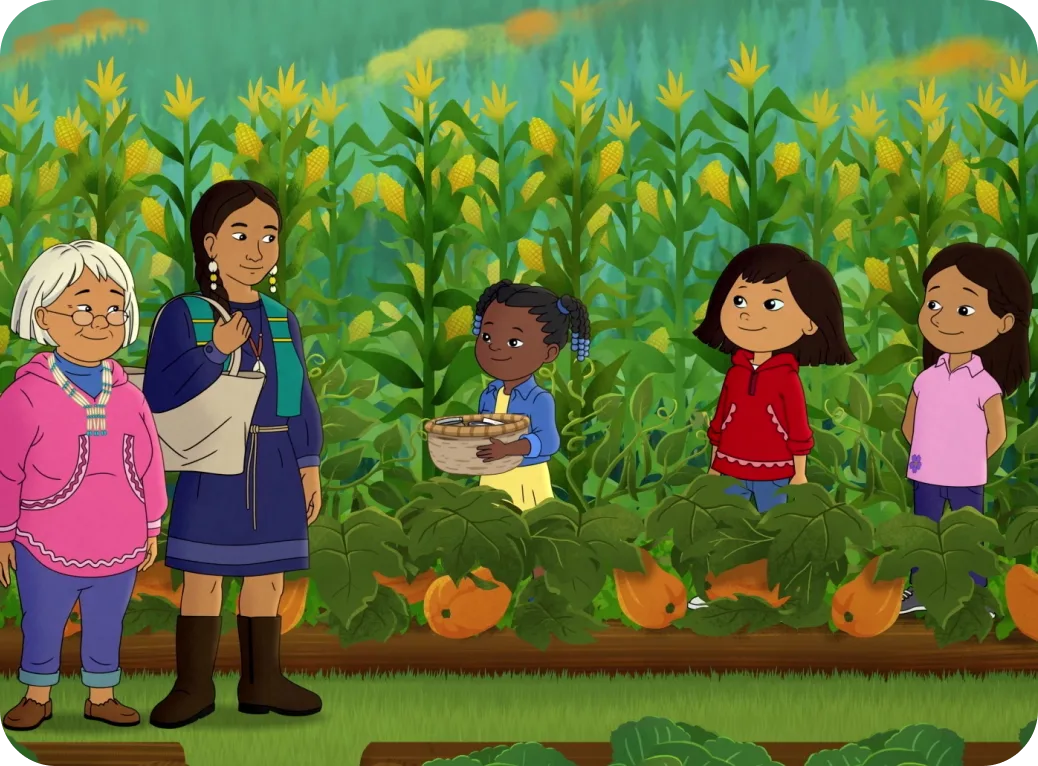
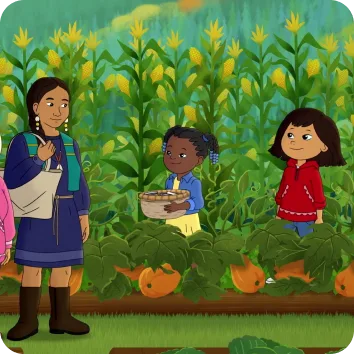
Image courtesy of Molly of Denali.
GBH’s Molly of Denali
The PBS KIDS animated series Molly of Denali follows 10-year-old Molly Mabray, an Alaska Native girl who lives in the fictional village of Qyah, Alaska. Through streamed and broadcast episodes, a podcast, games, and educational resources, Molly’s adventures help build literacy skills while introducing traditional foods, food practices, and other aspects of Alaska Native and Indigenous cultures to kids ages 4-8 nationwide. Molly of Denali is the first nationally distributed children’s series to feature Indigenous lead characters.
Image courtesy of Molly of Denali.
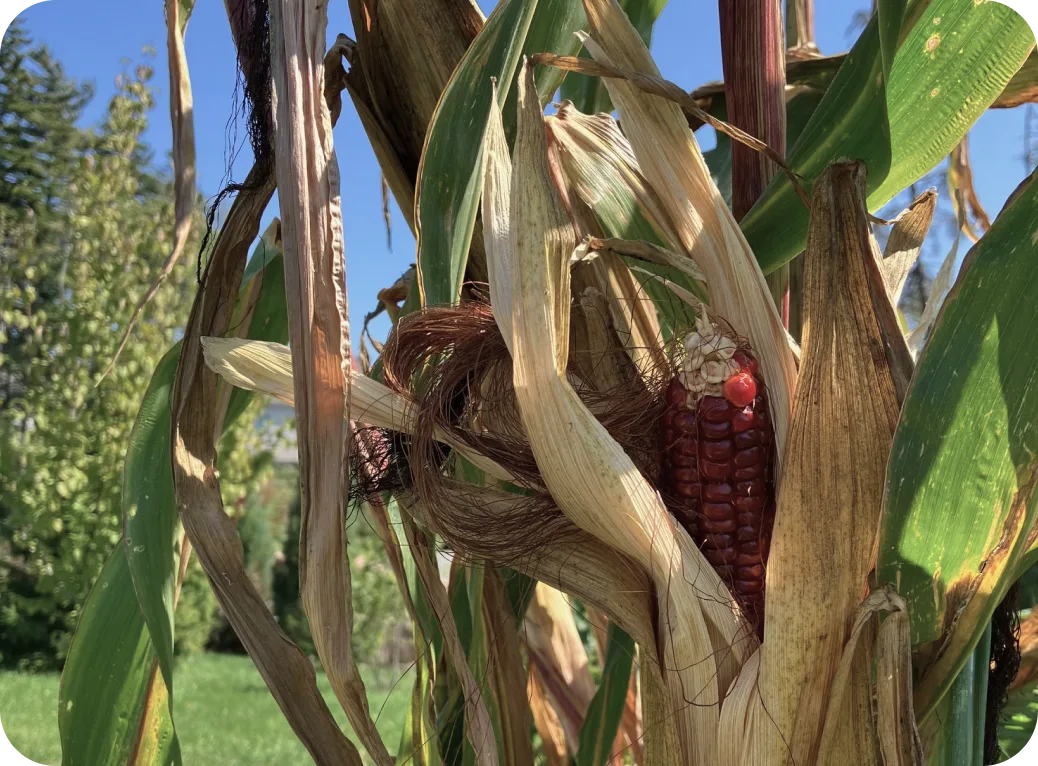
Wabanaki Health and Wellness
Wabanaki Public Health & Wellness serves the Houlton Band of Maliseet Indians, the Aroostook Band of Micmacs, the Passamaquoddy Tribe at Indian Township, the Passamaquoddy Tribe at Pleasant Point, and the Penobscot Nation. Its mission is to provide community-driven, culturally centered public health and social services to all Wabanaki communities and people while honoring Wabanaki cultural knowledge, cultivating innovation, and fostering collaboration. Youth engagement is provided through culturally centered after-school activities and special events, including The Learning Kitchen, which offers youth a chance to try traditional foods, learn how to prepare them, and share what they learn with their families.
University of Minnesota Foundation
Hosted by the University of Minnesota, the Conference on Native American Nutrition brings together tribal and community leaders, nutrition and wellness educators, researchers and students, health practitioners, government officials, funders, and others to discuss the current state of both Indigenous and academic scientific knowledge about Native food systems, food sovereignty, nutrition, and health. Sessions include Indigenous perspectives on the role of food in health and wellbeing, model tribal programs, the state of Indigenous science, and food policy.
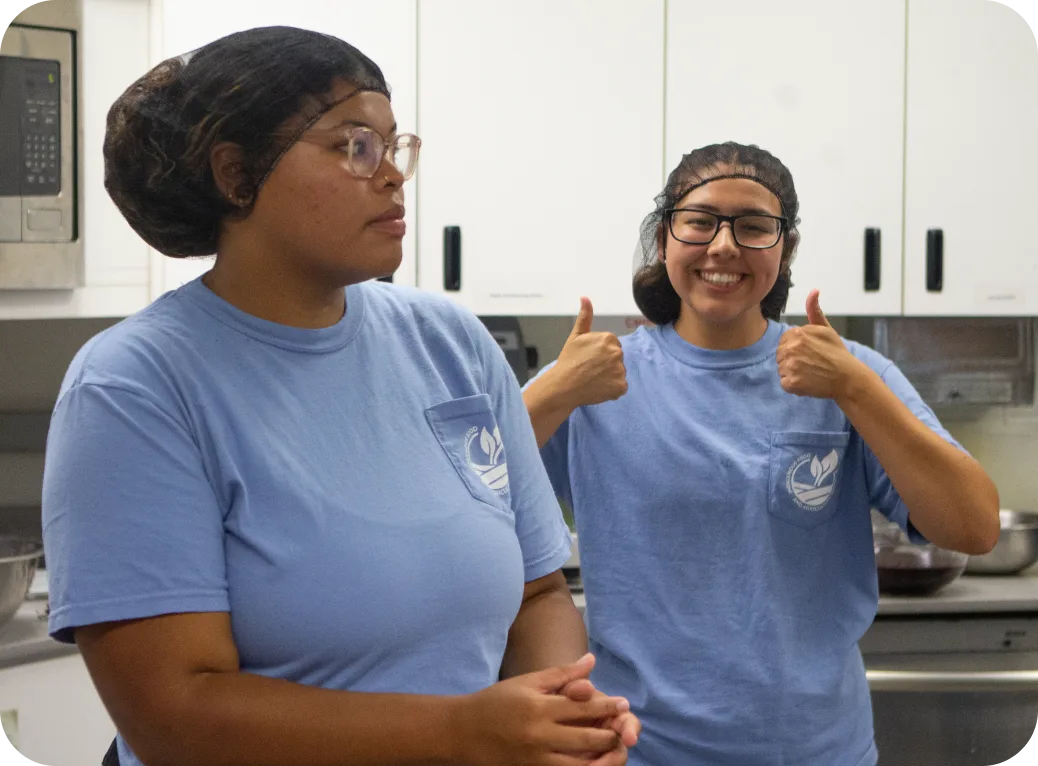
Photo courtesy of University of Arkansas Foundation.
University of Arkansas Foundation
The Indigenous Food and Agriculture Initiative’s Native Youth in Food and Agriculture Leadership Summit invests in the next generation of Native food and agricultural leaders, equipping participants with professional skills and knowledge while building lifelong connections to peers from across Indian Country. Along with sessions and activities on the University of Arkansas’ campus, participants tour nearby Tribal food and agriculture operations to learn more about food sovereignty and conservation efforts. The week-long summit also includes preparing a meal crafted with Native-produced and local ingredients alongside seasoned Native American chefs, attending food preservation classes led by IFAI’s food safety team, and more!
Photo courtesy of University of Arkansas Foundation.
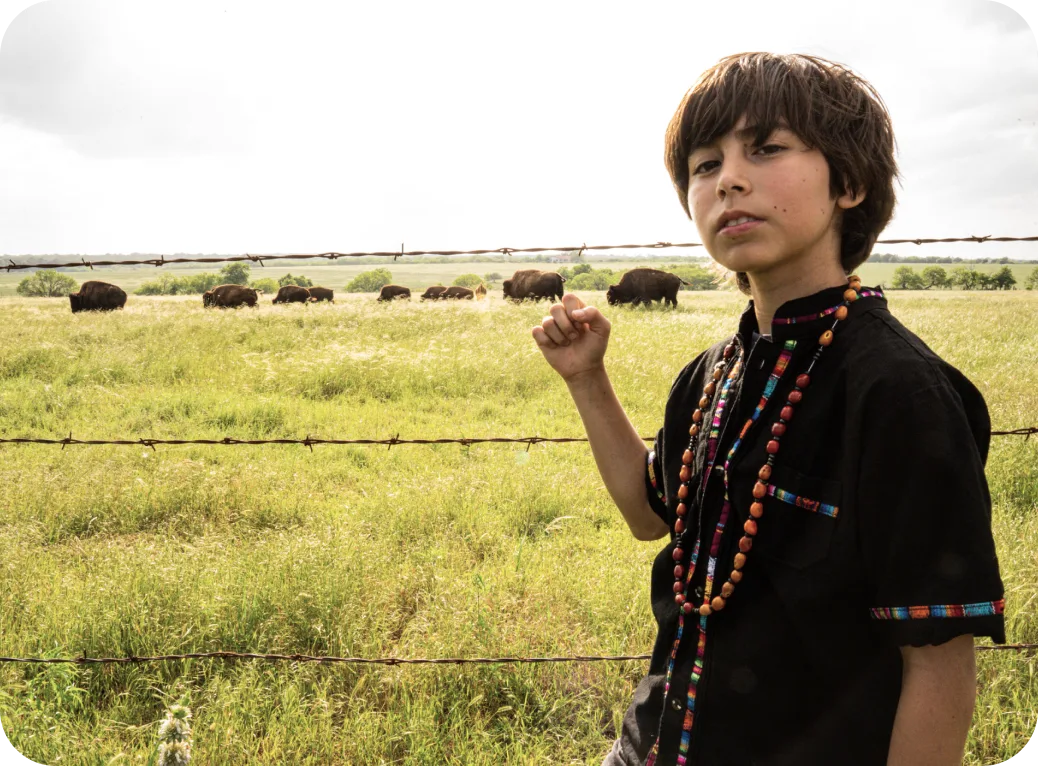
Texas Tribal Buffalo Project
Texas Tribal Buffalo Project is dedicated to the relationship between Lipan Apache and other Indigenous communities and Tribes in Texas with Buffalo. This resurgence of Native life promotes health and vitality for the land and for the people who utilize bison meat and other valuable products. Cultural Youth Camp participants learn farming and agriculture methods, as well as care of the Buffalo and the community garden.
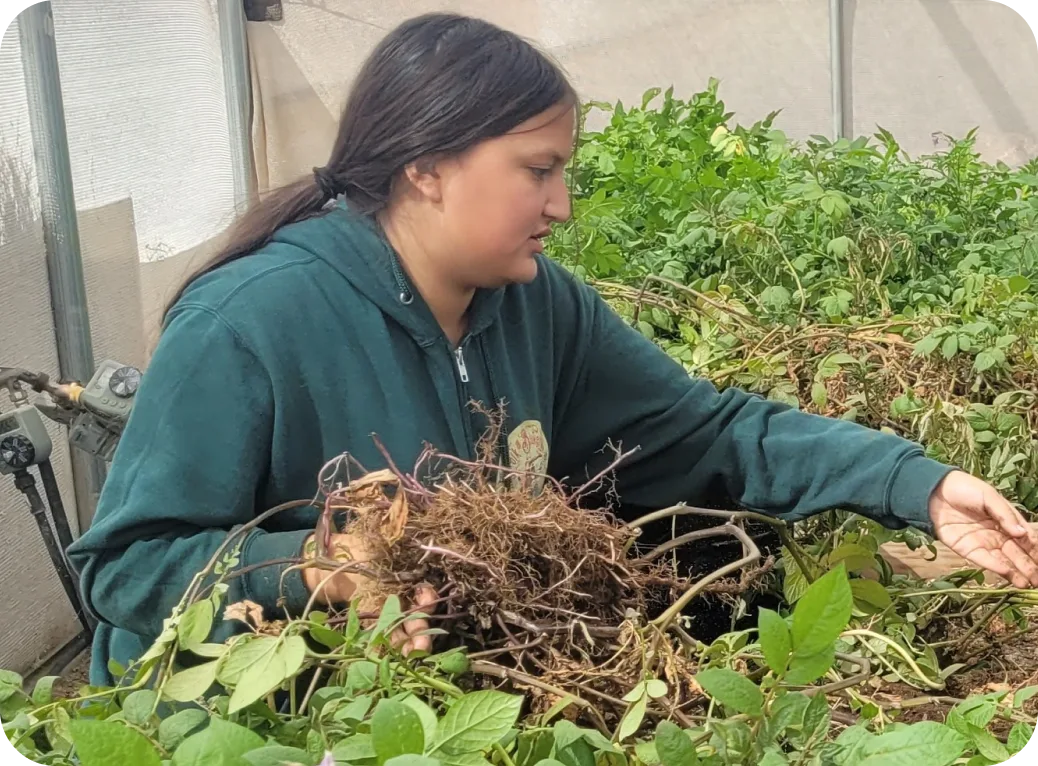
Photo courtesy of STAR School.
STAR School (aka Painted Desert Demonstration Projects)

The STAR School is a rural and remote charter school located outside of Flagstaff, AZ, that serves a student population that is 99% Native American. The school’s gardening program allows its students to grow fresh and healthy food so they can learn about nutrition and food sovereignty.
Photo courtesy of STAR School.
Snoqualmie Indian Tribe
Snoqualmie Indian Tribe is a sovereign tribal nation provides health and wellness services and education benefits to its people.
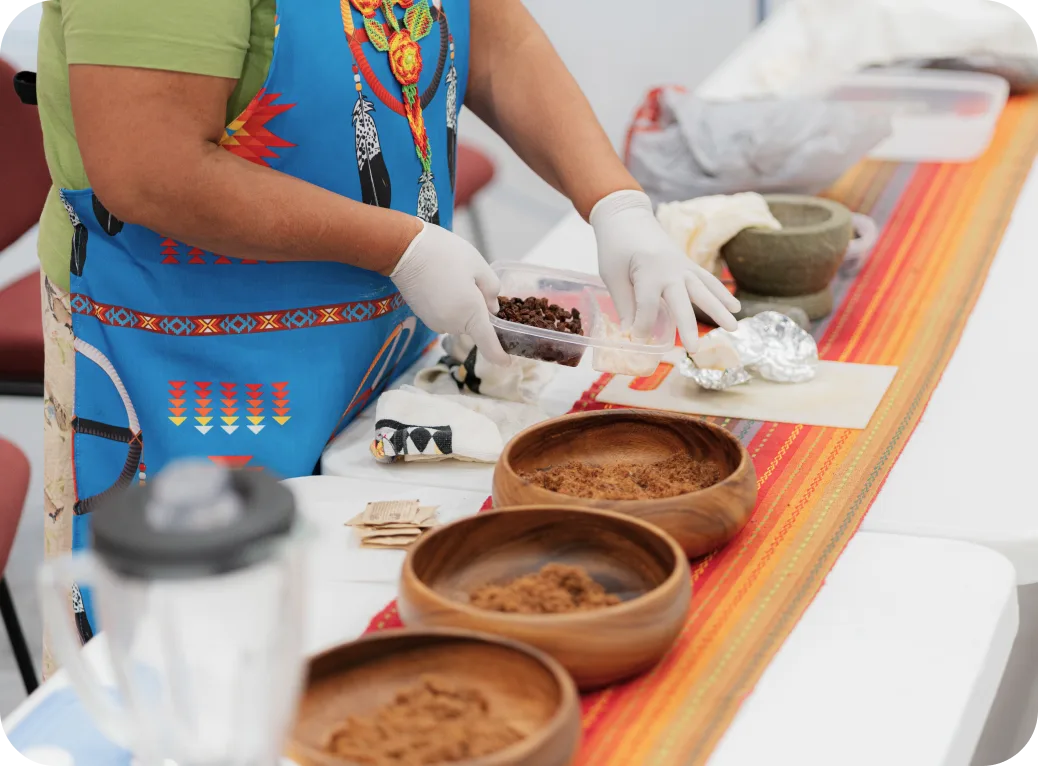
Photo courtesy of Siċaŋġu Co.
Siċaŋġu Co

As Lakota, Siċaŋġu Co believes its people are all related and have a duty to create a better world for future generations. The Siċaŋġu Health Initiative exists to help Siċaŋġu families on their return to their natural healthiness and wellbeing (Wicozani). Siċaŋġu Co builds socio-emotional well-being in young people through in-school programming and camps, supports family health through coaching and food and wellness classes, and engages communities through health- and relationship-building events.
Photo courtesy of Siċaŋġu Co.
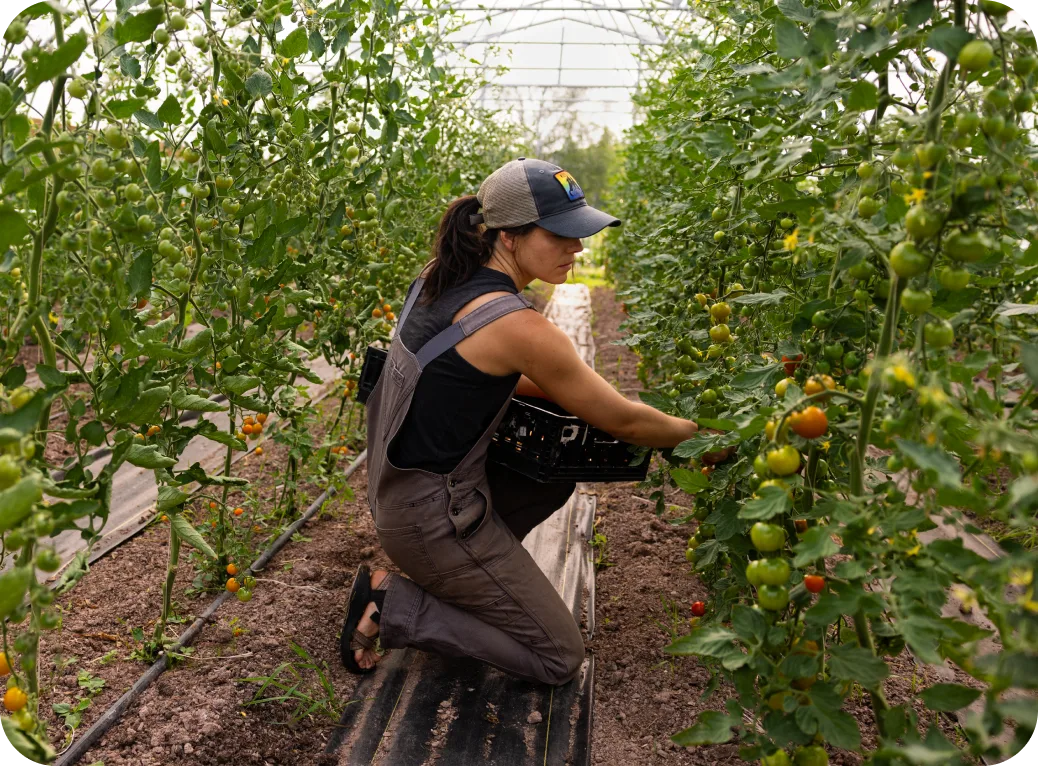
Photo courtesy of Mino Bimaadiziiwin Tribal Farm, Red Cliff Band of Lake Superior Chippewa.
Mino Bimaadiziiwin Tribal Farm, Red Cliff Band of Lake Superior Chippewa
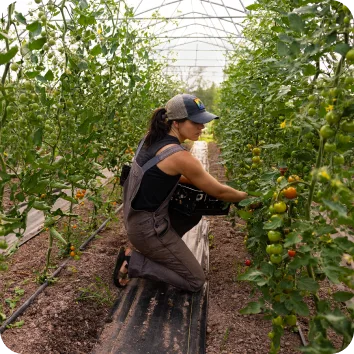
The mission of Mino Bimaadiziiwin (the Good Life) Tribal Farm (a program of Red Cliff Band of Lake Superior Chippewa) is to support the needs of the Red Cliff community and advance the food sovereignty goals of the Tribe. It accomplishes this through production and distribution of food, community engagement and food sovereignty initiatives, and youth work. Its youth initiatives include an annual iskigamizigan (sugarbush), seasonal field trips, youth workshops and cultural events, and distribution of produce directly to the local school cafeteria.
Photo courtesy of Mino Bimaadiziiwin Tribal Farm, Red Cliff Band of Lake Superior Chippewa.
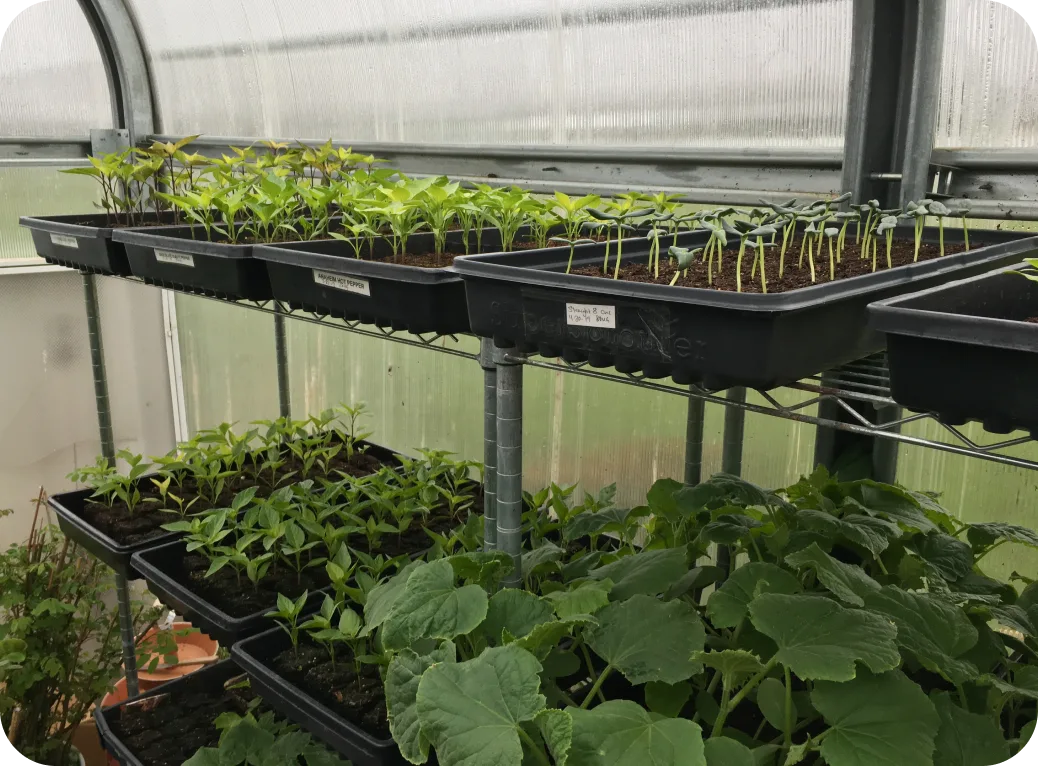
Photo courtesy of Partnership with Native Americans.
Partnership with Native Americans

Partnership with Native Americans is a nonprofit organization that works with tribal communities to improve the quality of life for Native Americans living on reservations.
Photo courtesy of Partnership with Native Americans.
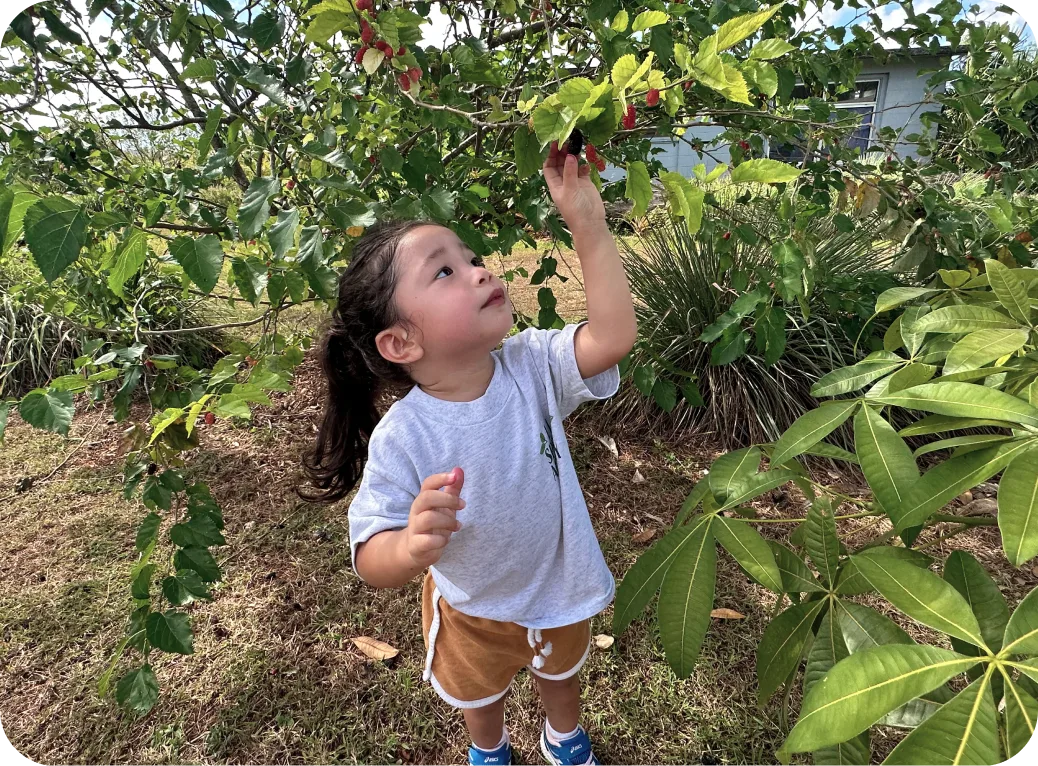
Photo courtesy of Oceanic Ascent Education & Athletics (Guåhan Sustainable Culture).
Oceanic Ascent Education & Athletics (Guåhan Sustainable Culture)

Guåhan Sustainable Culture’s Youth Education Program focuses on educating elementary and middle school students on the importance of growing their own food by teaching them how to create a garden and cook healthy foods using what they grow. The program includes field trips to the organization’s community gardens, cooking classes using locally grown produce, and engagement with farmers.
Photo courtesy of Oceanic Ascent Education & Athletics (Guåhan Sustainable Culture).
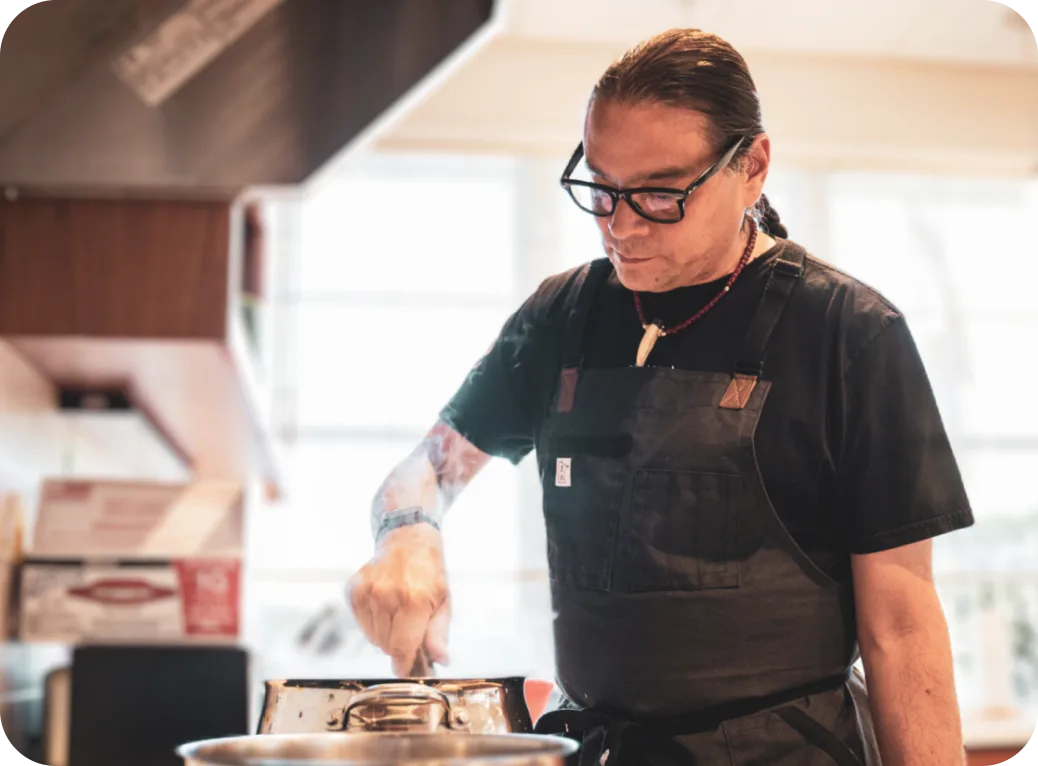
Photo courtesy of NATIFS.
North American Traditional Indigenous Food Systems (NATIFS)
North American Traditional Indigenous Food Systems (NĀTIFS) is the nonprofit founded by Lakota Chef Sean Sherman of The Sioux Chef. NĀTIFS and the Indigenous Food Lab are working to address the economic and health crises affecting Native communities by re-establishing Native foodways; its mission is to promote Indigenous foodways education and facilitate Indigenous food access.
Photo courtesy of NATIFS.
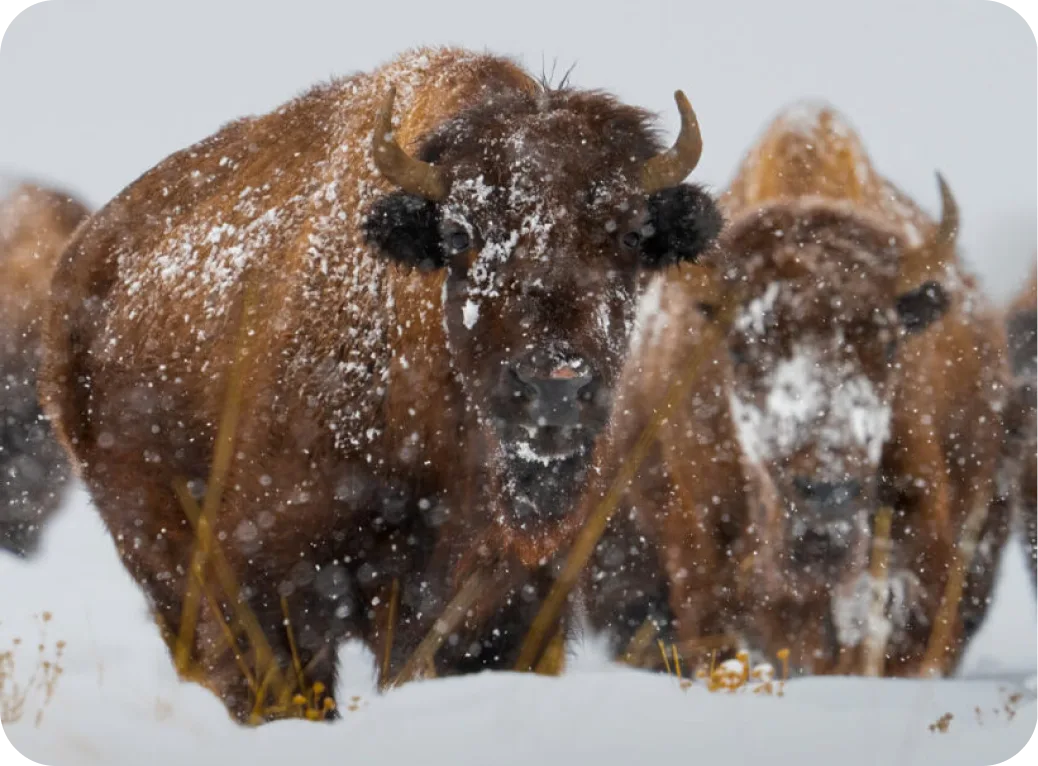
Photo courtesy of Wind River Tribal Buffalo Initiative.
Wind River Tribal Buffalo Initiative
Wind River Tribal Buffalo Initiative is an Indigenous-led organization which aims to rectify the loss of Buffalo from Tribal communities by providing education and engagement activities for Tribal members to learn about and begin to practice their ecological, cultural, and historical connections to buffalo. The Youth Buffalo Cultural Institute focuses on expanding the youth buffalo curriculum and increasing food security for Northern Arapaho and Eastern Shoshone youth by reincorporating Buffalo into their lives, diets, and ceremonies.
2024 impact:
- Nearly 1,000 youth engaged across 80 educational visits.
- 17,000 acre piece of land acquired
- 6 buffalo harvested in 2024, with plans to double the harvest in 2025
“We are on a mission to restore conservation Buffalo through land rematriation, community revitalization, and youth education. The return of Buffalo has the power to heal land and people together; Buffalo restoration is a powerful step in exerting Tribal sovereignty and self-determination.” –Jason Baldes, Executive Director of the Wind River Tribal Buffalo Initiative
Photo courtesy of Wind River Tribal Buffalo Initiative.
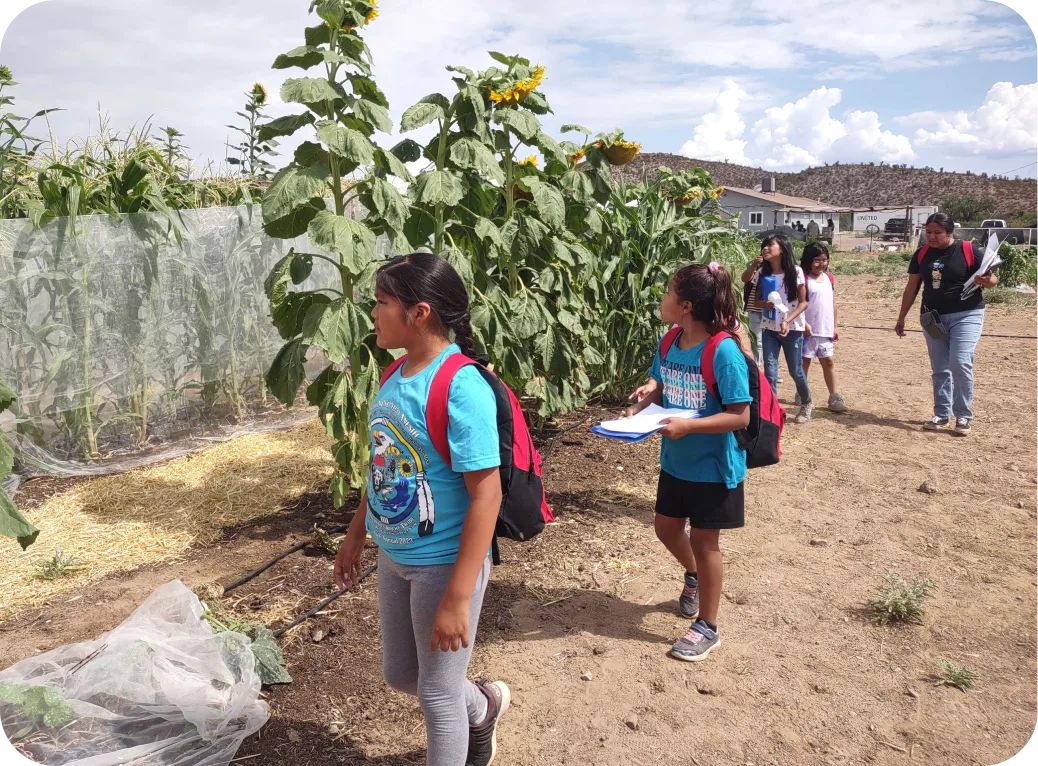
Nalwoodi Denzhone Community.
Nalwoodi Denzhone Community
Working in Arizona, Nalwoodi Denzhone Community (NDC) provides revitalization services to the San Carlos Apache community through food production, youth education, and collaborative outreach. It is committed to bringing holistic health to people and planet through creative, yet practical, solutions relevant to this day and age.
Nalwoodi Denzhone Community.
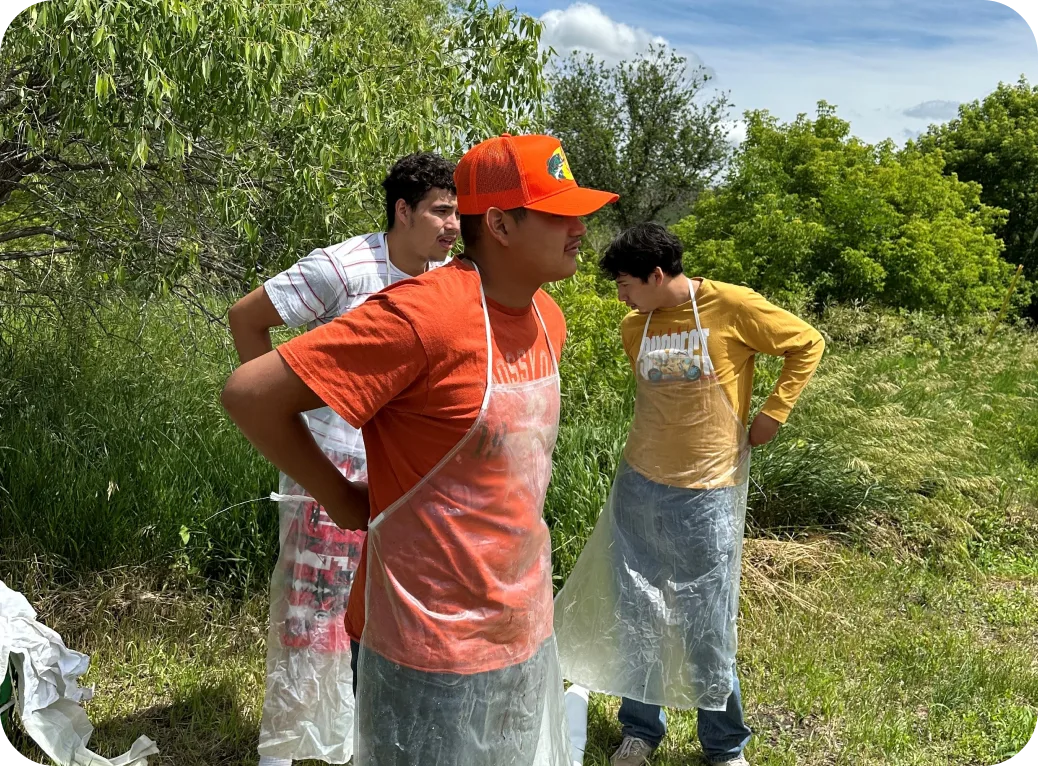
Photo courtesy of Makoce.
Makoce Agriculture Development
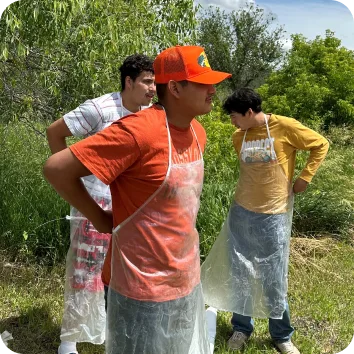
Makoce Agriculture Development’s mission is to develop Indigenous Agriculture & Food Systems designed to regenerate equitable healthy communities, economies, and environment. Its focus is to utilize the land, people, and traditional thoughts and systems to bring the community up and become the thriving Oglala Lakota Oyate. It accomplishes this through 5 Initiatives: The Food Systems Institute, The Food Hub, Regenerative Production Farm, Hemp Production, and the Oceti Sakowin Food Systems Alliance.
Photo courtesy of Makoce.
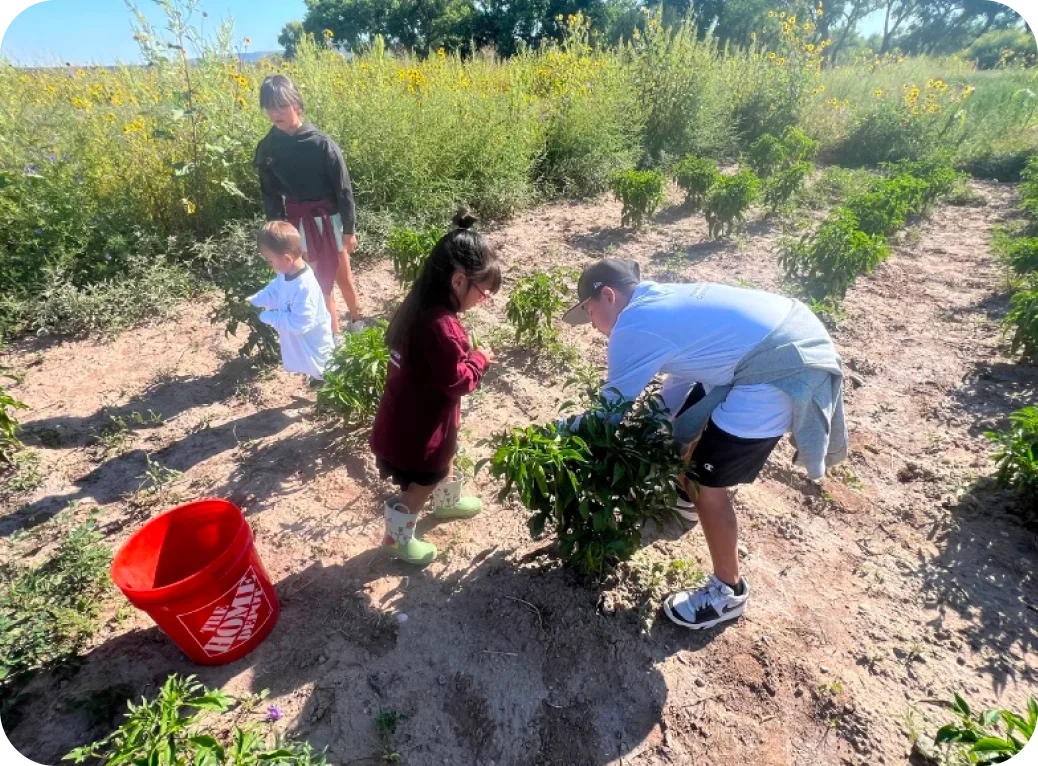
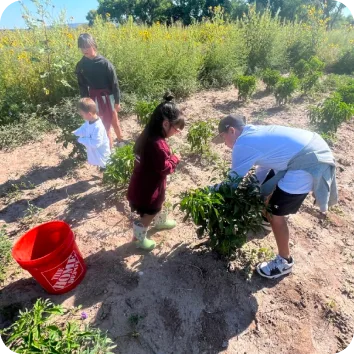
Photo courtesy of Keres Children's Learning Center.
Keres Children’s Learning Center
Keres Children’s Learning Center strives to reclaim Keres children’s education and honor their heritage by using a comprehensive cultural and academic curriculum to assist families in nurturing healthy students.
Photo courtesy of Keres Children's Learning Center.
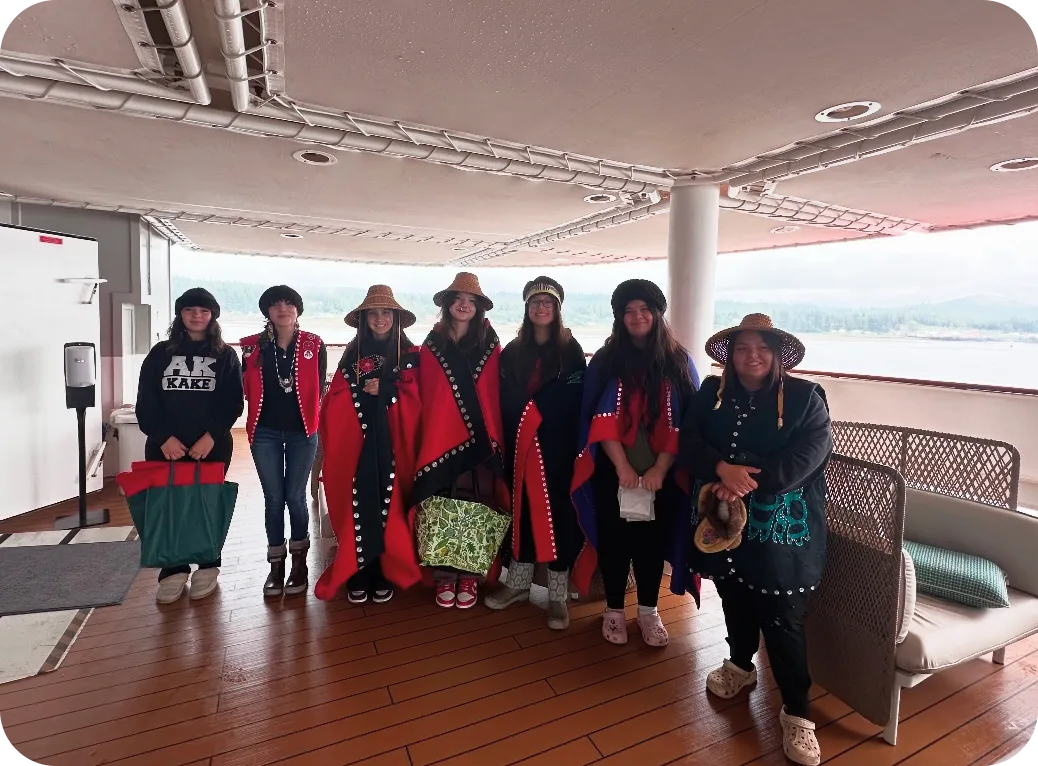
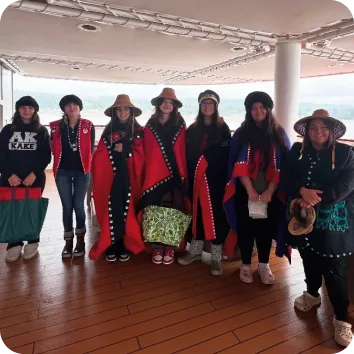
Photo courtesy of Kake Tribal Heritage Foundation.
Kake Tribal Heritage Foundation
Located in Southeast Alaska, Kake Tribal Corporation’s mission is to serve shareholders and their descendants by preserving culture, protecting shared lands, and enhancing the community’s financial security. Its internship program offers high school students the opportunity to increase their knowledge of food security, their ability to grow and use hydroponics food, and their skills in harvesting and processing traditional wild foods (e.g. salmon, berries, beach greens, deer, and shellfish) for eating and sharing with family and Tribal Elders.
Photo courtesy of Kake Tribal Heritage Foundation.
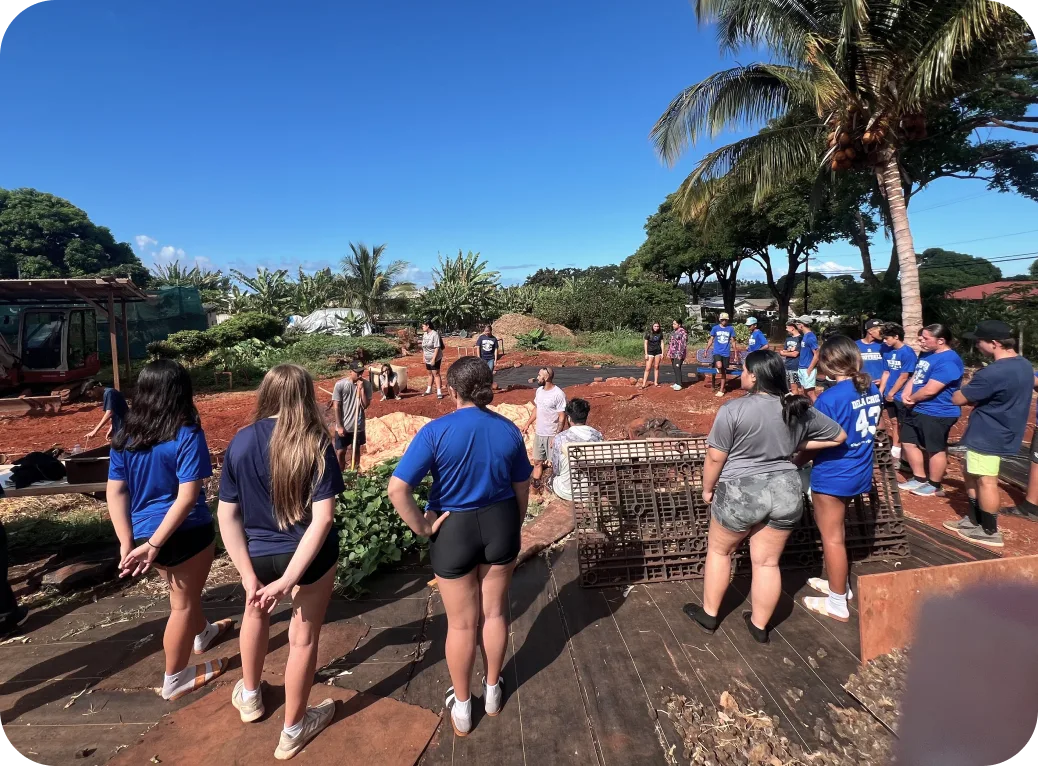
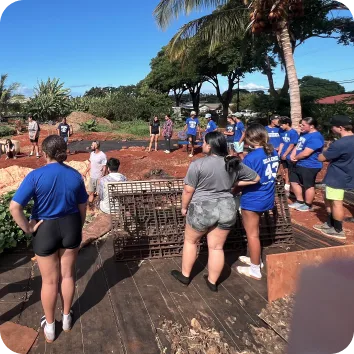
Photo courtesy of Iwikua.
Iwikua
Iwikua serves as an educational resource to benefit the wellness of west Kaua’i and future generations through sustainable food production, physical fitness, and cultural exchange.
Photo courtesy of Iwikua.
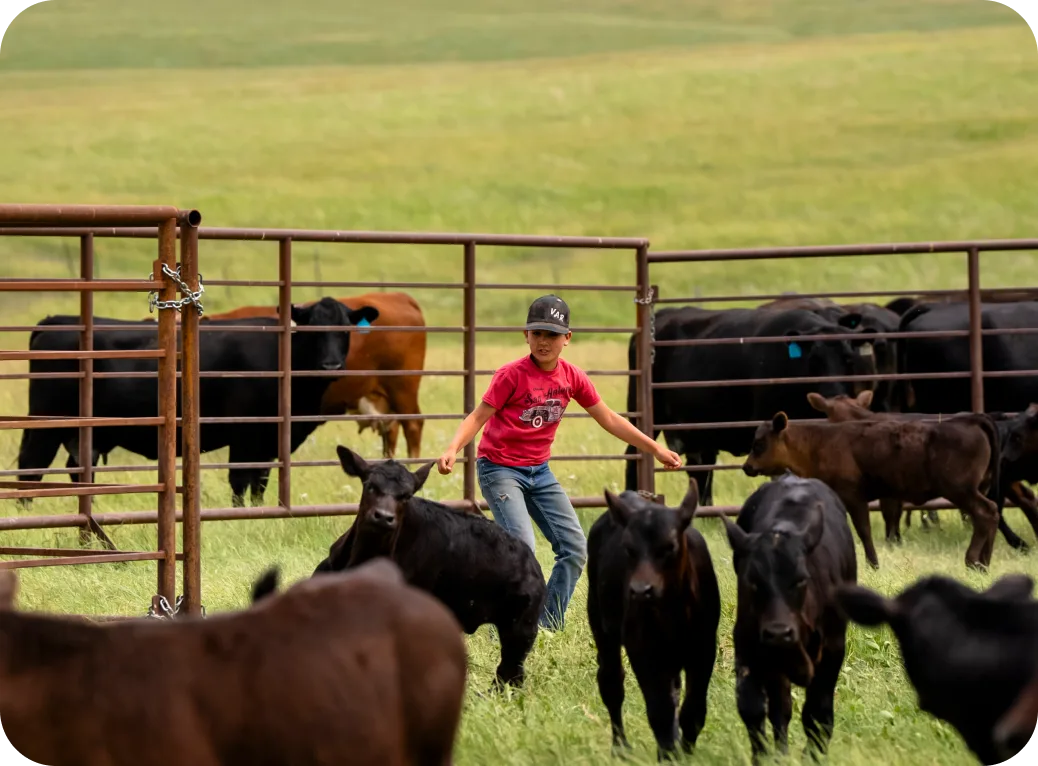
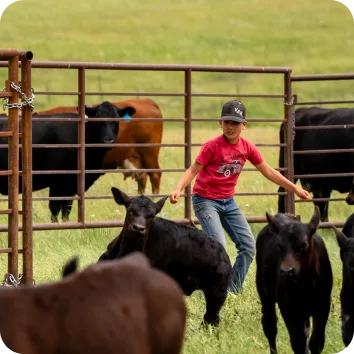
Photo courtesy of Intertribal Agriculture Council.
Intertribal Agriculture Council
Intertribal Agriculture Council is a Billings-based organization that conducts a wide range of programs designed to improve Indian Agriculture and provide a unified effort to promote change for the benefit of Indian people.
Photo courtesy of Intertribal Agriculture Council.
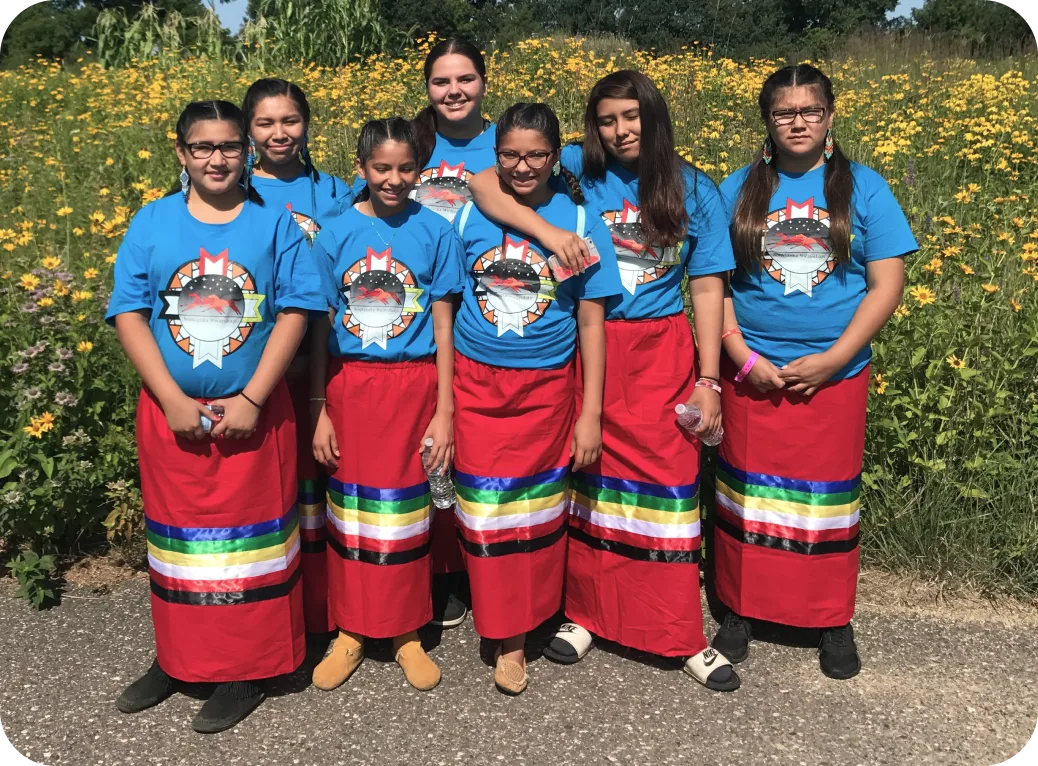
Photo courtesy of First Nations Development Institute.
First Nations Development Institute
The mission of First Nations Development Institute (FNDI) is to strengthen American Indian economies, in turn, supporting healthy Native communities. Through its Nourishing Native Food and Health program, FNDI supports tribes and Native communities in building Indigenous food systems that improve community health, increase control over Native agriculture and food, and reaffirm culture through Indigenous land stewardship practices and understandings. This focus includes reaching the next generation of Native food producers by investing in Native-led organizations that are working toward stronger food economies, food systems, and food security through youth education.
Photo courtesy of First Nations Development Institute.
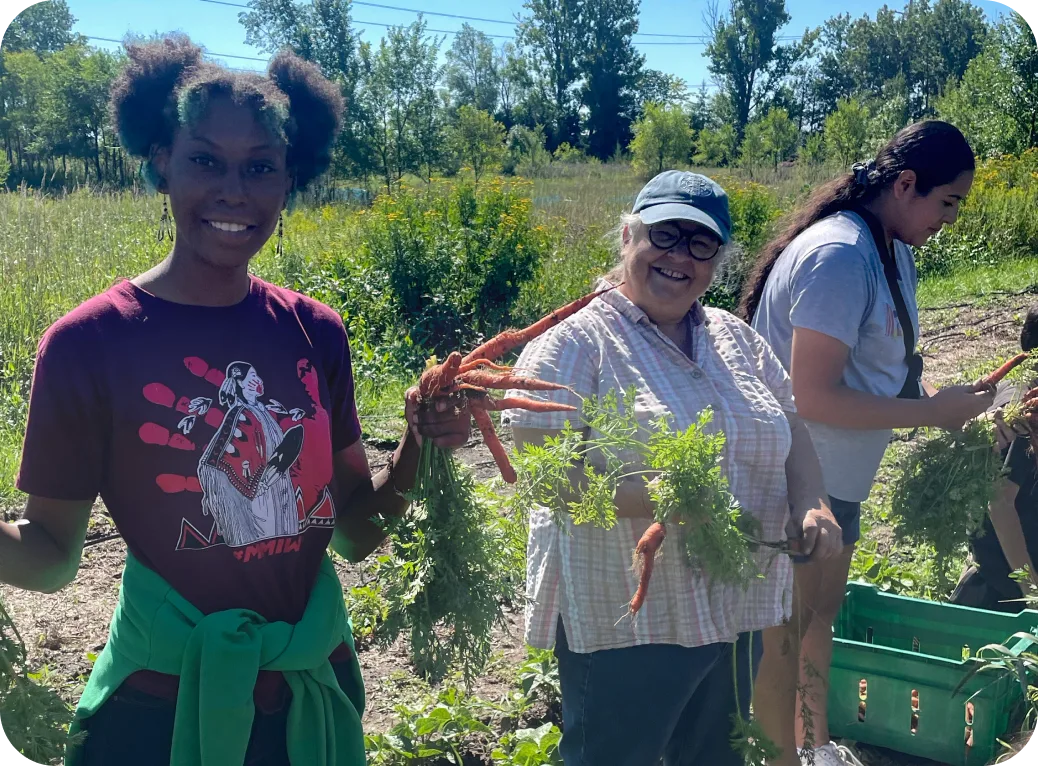
Photo courtesy of Dream of Wild Health.
Dream of Wild Health
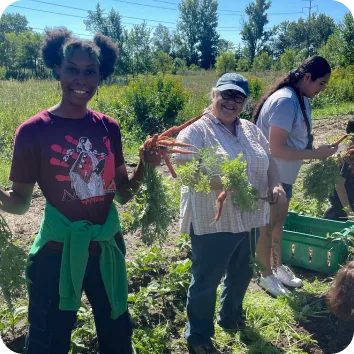
The mission of Dream of Wild Health is to restore health and well-being in the Native community by recovering knowledge of and access to healthy Indigenous foods, medicines, and lifeways. To achieve this vision, staff work to build community, share Indigenous traditional knowledge, teach about and advocate for food sovereignty, host workshops and community events, and support community partner organizations, schools, and Tribal communities.
Photo courtesy of Dream of Wild Health.
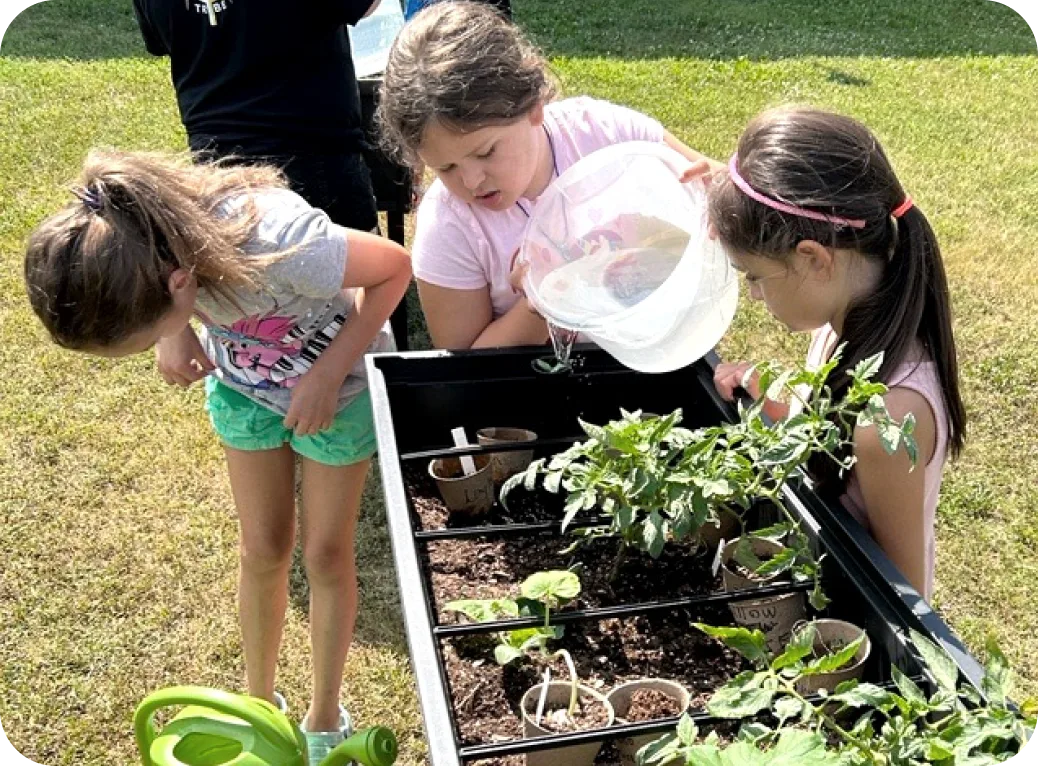
Photo courtesy of Chickahominy Indian Tribe.
Chickahominy Indian Tribe
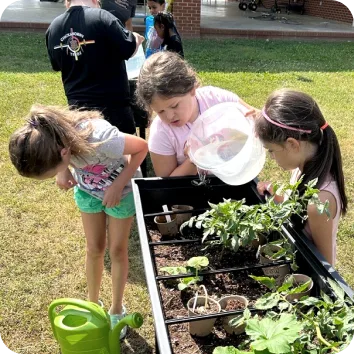
The Chickahominy Indian Tribe’s mission is to serve its citizens by creating a respectful path to lasting well-being and connection that honors the past, sustains the present, and inspires the future, to preserve and protect the resources that Creator has entrusted to them, and to strengthen government-to-government relationships by exercising Tribal sovereignty in a responsible, deliberate, and sustainable manner. As part of its programming, Tribal Youth will learn to assemble, create, and maintain raised garden beds on Tribal property. This activity will instill knowledge about traditional foods and cultivation techniques.
Photo courtesy of Chickahominy Indian Tribe.
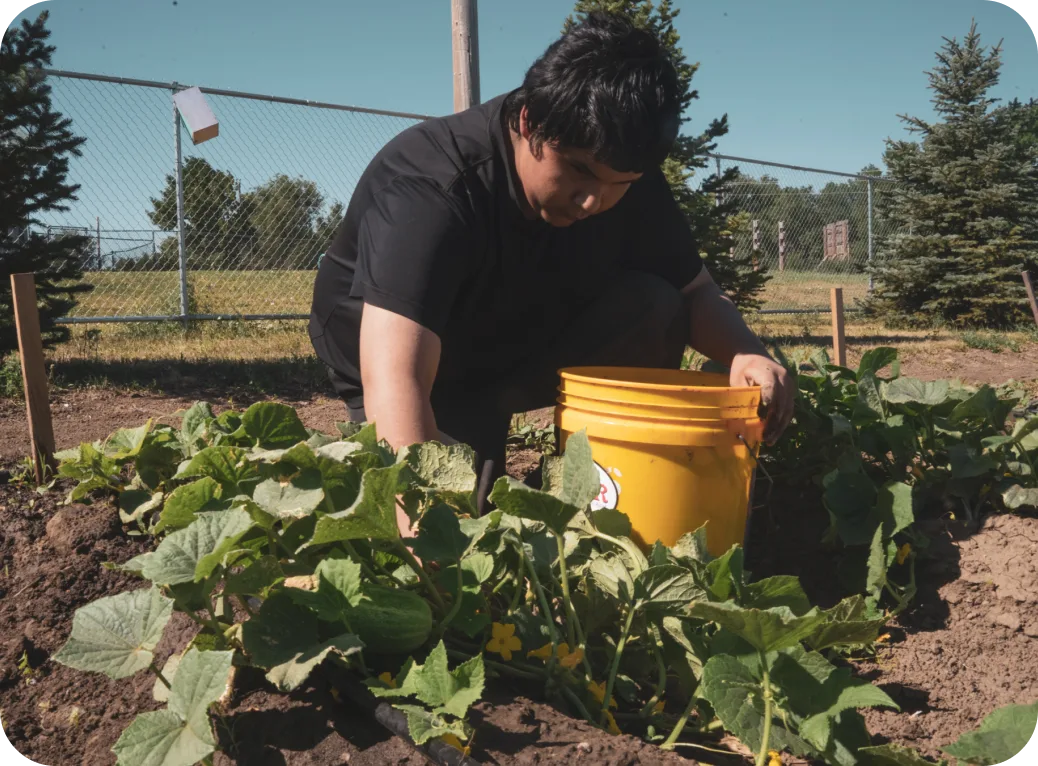
Photo courtesy of Cheyenne River Youth Project.
Cheyenne River Youth Project
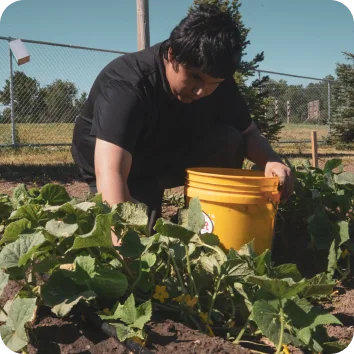
The Cheyenne River Youth Project is dedicated to providing the young people on the Cheyenne River Sioux Reservation with the resources and opportunities they need to build a future in which they will do more than survive—they will thrive. A critical part of its programming is Native Food Sovereignty, which includes the 2.5-acre Winyan Toka Win (Leading Lady) Garden, Native Food Sovereignty Teen Internships, and Garden Club for 4- to 12-year-olds.
Photo courtesy of Cheyenne River Youth Project.
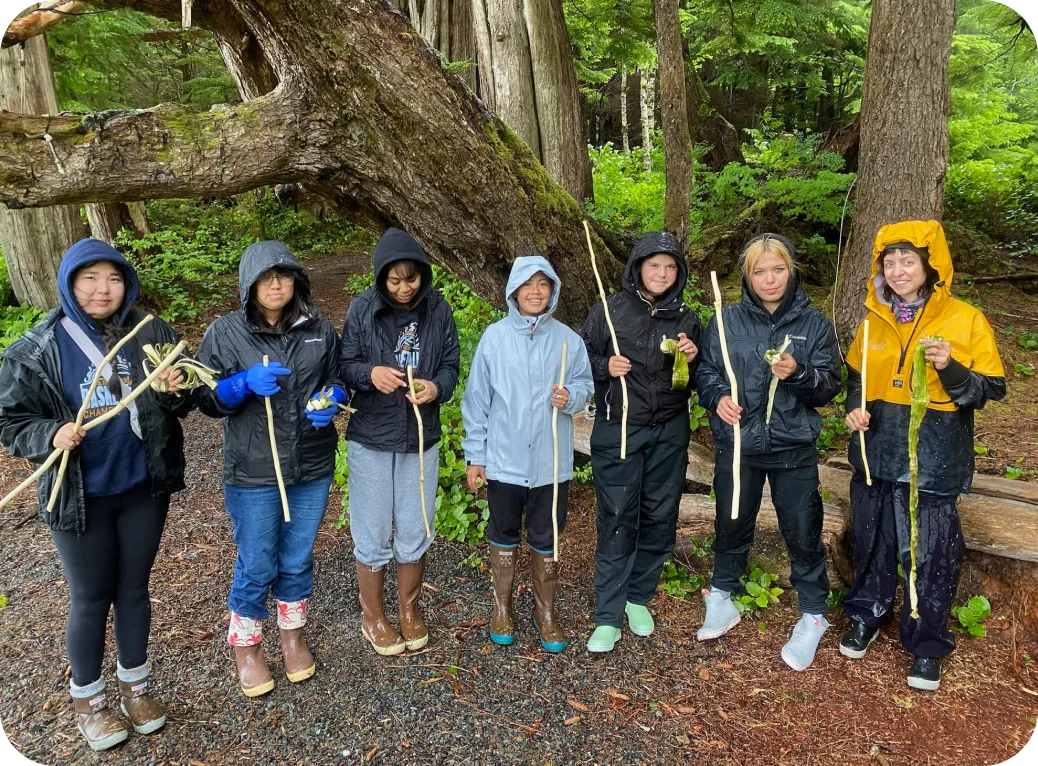
Photo courtesy of Central Council of Tlingit & Haida Indian Tribes of Alaska.
Central Council of Tlingit & Haida Indian Tribes of Alaska
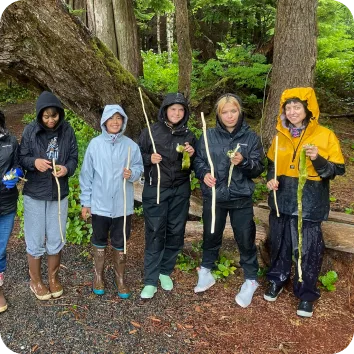
The Central Council of Tlingit & Haida Indian Tribes of Alaska’s Traditional Food Security program bridges the traditional knowledge gap between elders and youth by teaching harvesting, processing, and food preservation through education, storytelling, and access to traditional foods.
The results:
- 180+ children ages 3-5 engaged in hands-on nutrition education using culturally relevant curriculum on traditional food preparation.
- 2,300 pounds of traditional Indigenous foods, including smoked salmon and herring roe – replaced processed foods in 14 classrooms across Southeast Alaska.
- Incorporated traditional Southeast Alaskan foods into national Dr. Yum’s Preschool Food Adventure curriculum.
“Integrating traditional foods into classrooms not only enriches hands-on learning, but also fosters cultural awareness and connection to our heritage. It promotes social and emotional growth while instilling a love for learning about Native food systems. This nutrition program not only celebrates cultural heritage but also empowers students with essential life skills, creating a holistic educational experience.”
—Patricia Gardner, Tlingit & Haida Head Start Nutrition Coordinator
Photo courtesy of Central Council of Tlingit & Haida Indian Tribes of Alaska.
California Indian Culture and Sovereignty Center
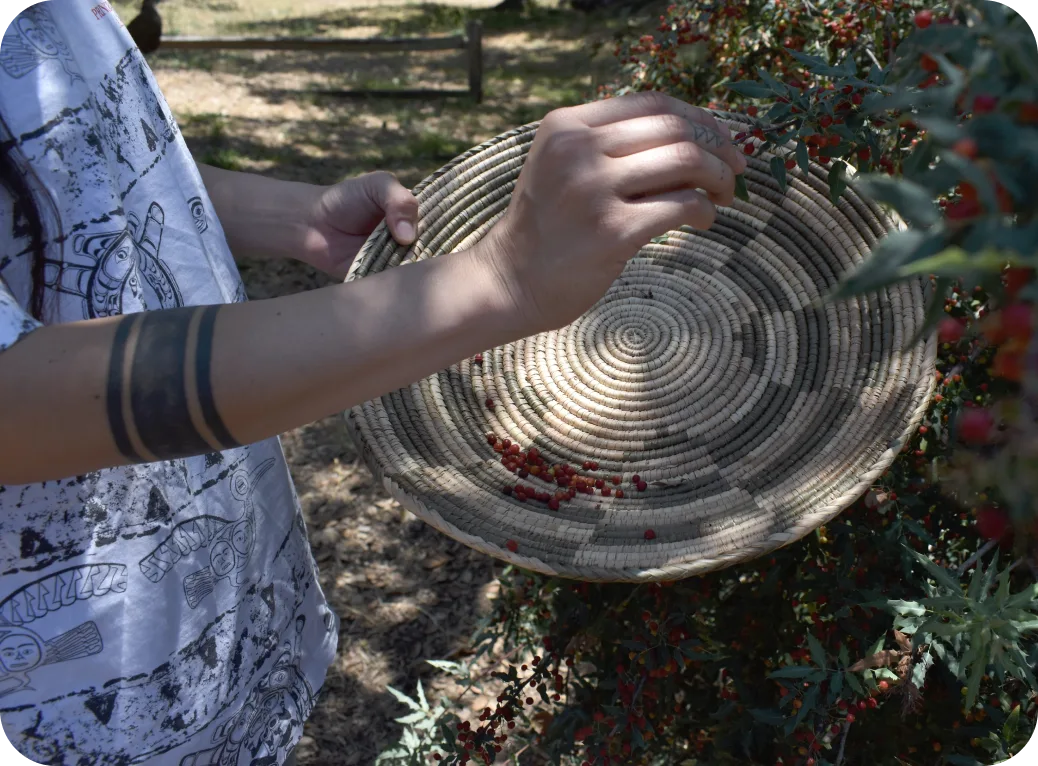
The California Indian Culture and Sovereignty Center (CICSC) fosters collaborative research and community service relationships between the faculty, staff, and students of CSU San Marcos and members of Tribal communities, to develop and conduct research projects that support the maintenance of sovereignty and culture within those communities.
CICSC’s Food Sovereignty Initiatives provide resources, hands on learning and community programming to rekindle Indigenous communities’ knowledge and inspire the use of fresh, culturally specific foods to decolonize one’s plate. These initiatives enhance nutrition security for Southern California Indigenous youth by identifying gaps in California Natives’ ability to access traditional foods and create strategies to address these issues.
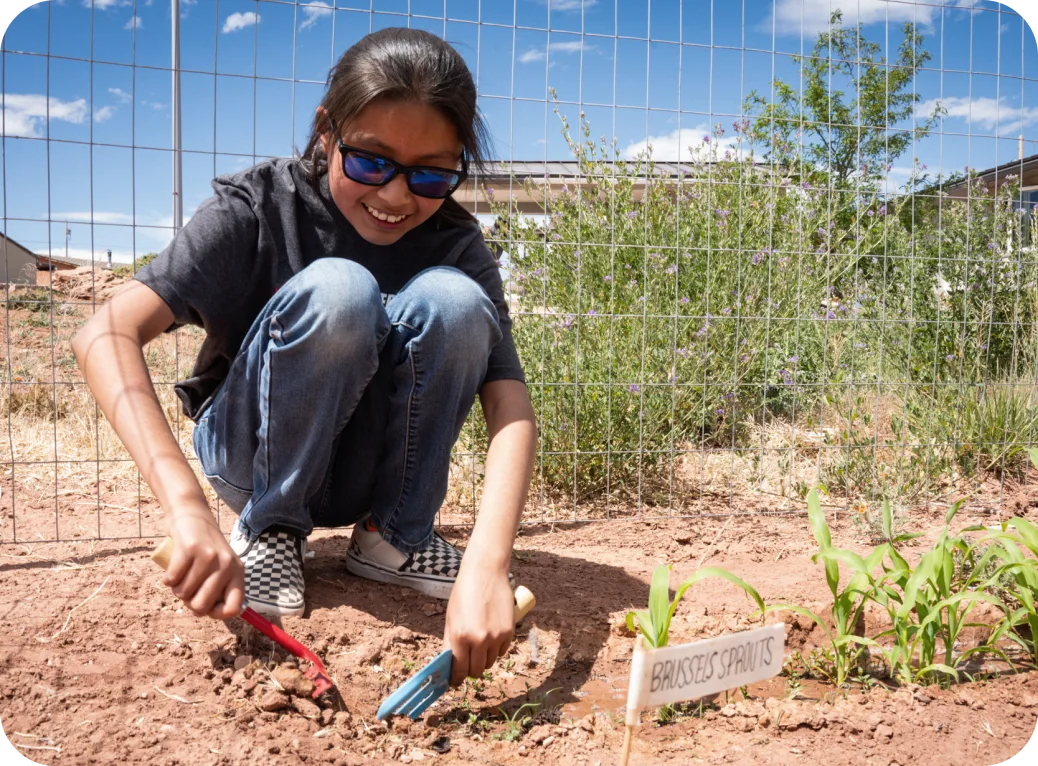
Zuni Youth Enrichment Project
Zuni Youth Enrichment Project promotes resilience among Zuni youth so they grow into strong, healthy adults connected with Zuni traditions. Through initiatives like Family Cook Nights, a Garden & Rain Harvest Initiative, and summer camp, Zuni Youth Enrichment Project provides culturally rooted, interactive learning opportunities where Zuni children and families grow and cook healthy foods while strengthening their connection to Shiwiʼma (Zuni culture and language).
The results:
Nearly 800 youth participated in afterschool, summer, and community programs in 2025.
Among summer camp participants:
- 53% of youth reported knowing how to make healthy meals, up from 42% before participating.
- 74% of youth said they enjoy taking care of a garden, up from 59% before participating.
“I like art and knowledge sharing and the cooking classes. I never miss out!”
–Joelle L., 3rd Grader Afterschool Program Participant
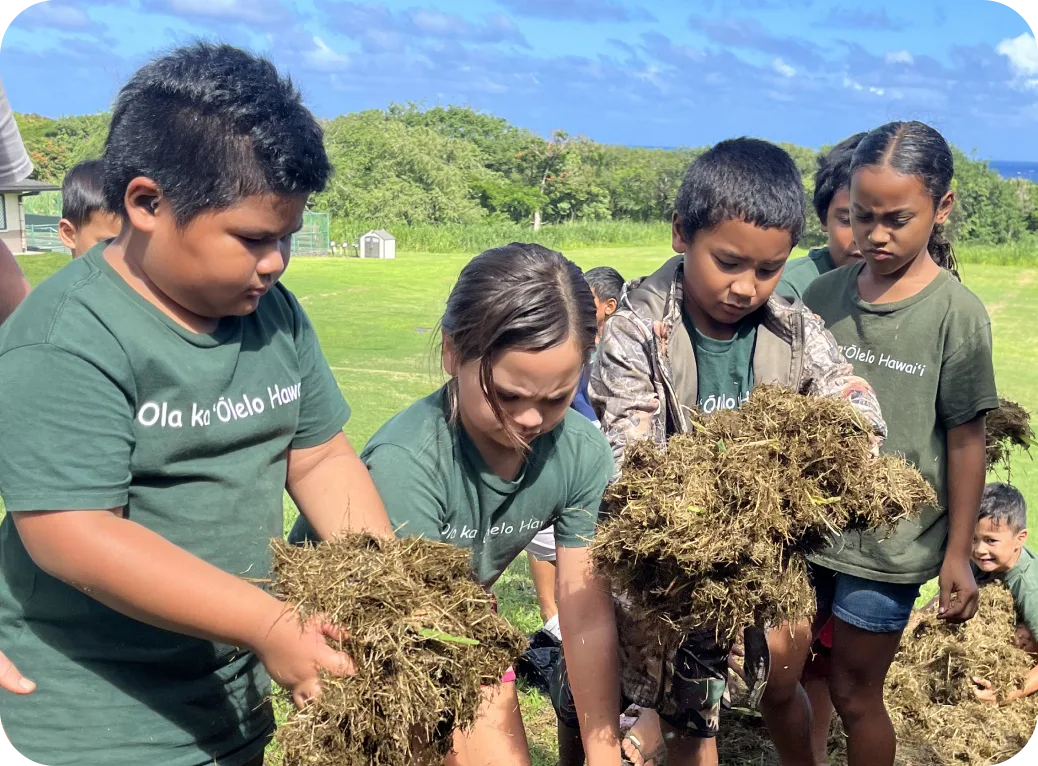
Photo courtesy of Ma Ka Hana Ka 'Ike.
Ma Ka Hana Ka ‘Ike
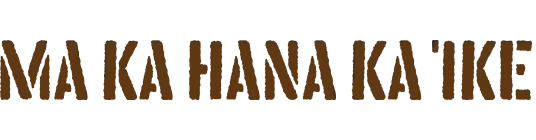
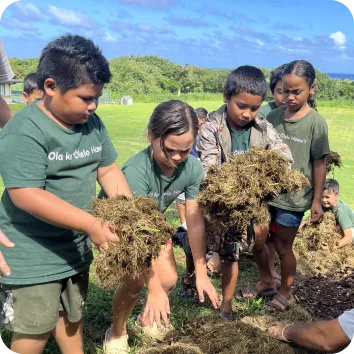
Ma Ka Hana Ka ‘Ike’s mission is to provide Hāna’s youth with a way to learn that makes sense to them, builds their self-esteem, and shows them they have the power to shape their future. Through an expanded culinary apprenticeship program with visiting professional chefs, the organization provides meaningful work-based learning opportunities that strengthen environmental stewardship, intergenerational relationships, and technical skills while introducing career pathways and new culinary techniques.
The results:
- 94% of youth reported possessing new culinary skills they will use in the future.
- 92% of youth reported a more positive cultural identity from their participation.
“This workshop taught me a lot about how I can make local food with ʻāina [land]-based ingredients. It was a mixture of food, culture, and creativity. This experience made me more confident and inspired me to bring Hawaiian ingredients and test them with my skills.”
—Culinary apprentice student
Photo courtesy of Ma Ka Hana Ka 'Ike.
Apply for a grant
Learn about open opportunities we are supporting through our funding.