
The mission of Newman’s Own Foundation is to nourish and transform the lives of children who face adversity. Our grantee partners bring this mission to life every day as they help grow the next generation of food citizens in classrooms and communities.
In our recent webinar spotlighting practical ways to engage youth as emerging food citizens, grantee partners Mosaic Film Experience, Central Council of the Tlingit & Haida Indian Tribes of Alaska, and FRESHFARM shared what’s working in classrooms and communities. When young people have agency, hands-on‑ learning, and cultural connection, they grow into informed, empowered food citizens.
Here are five tips to grow the next generation of food citizens:
1. Invite Youth to Be Storytellers—Not Just Learners
Mosaic Film Experience reminds us that youth are already consuming huge amounts of media — especially about food. When they shift from consuming to creating, something transformative happens. Digital storytelling gives students agency to ask big questions: Who gets to tell stories about food? Whose perspectives are missing? What does food justice mean in my community?
Using tools students already have like a phone and simple editing apps, educators and nonprofits can support youth in their exploration of cultural traditions, community health, and food system challenges through their own lens. Programs like Mosaic Film Experience’s short mobile film competition Nourishing Narratives show how a single project can build voice, creativity, media literacy, and advocacy all at once.
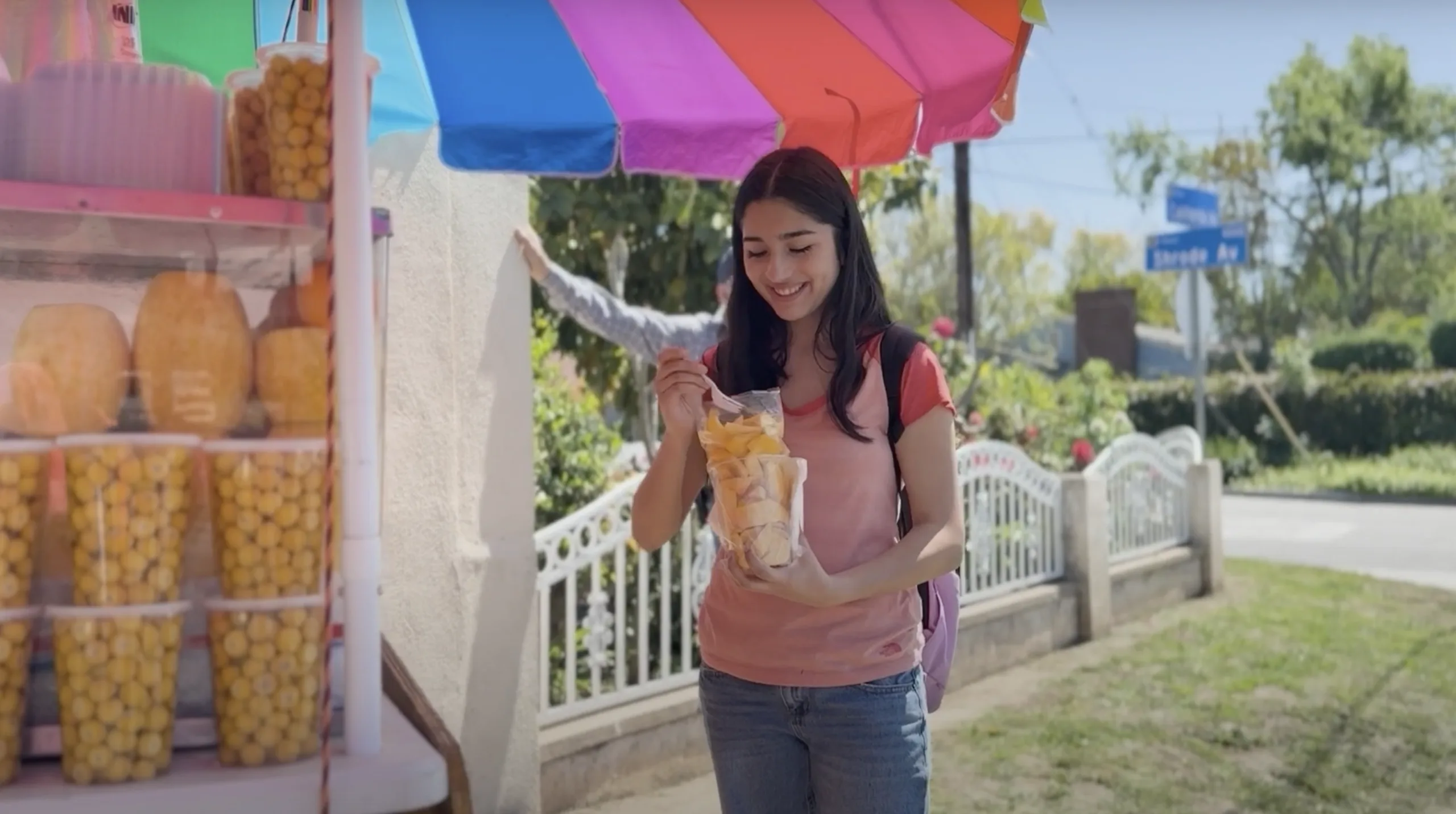
Still from 2025 Nourishing Narratives winning film "Cocos Frios" by Mia Cuevas, Esmé Woerner, Tessa Stones, and Dale Hancock
2. Embrace Hands‑On Learning to Build Confidence and Curiosity
Across all three partners, one theme stood out: kids learn by doing. For Central Council of Tlingit & Haida Tribes of Alaska, this means preschoolers and kindergarteners learning to handle, prepare, and taste traditional foods like salmon and herring roe in ways that connect them deeply to their culture and land. As Aaron Angerman from the Tribal Food Program shared, when young children touch, smell, prepare, and try foods themselves, their excitement grows.
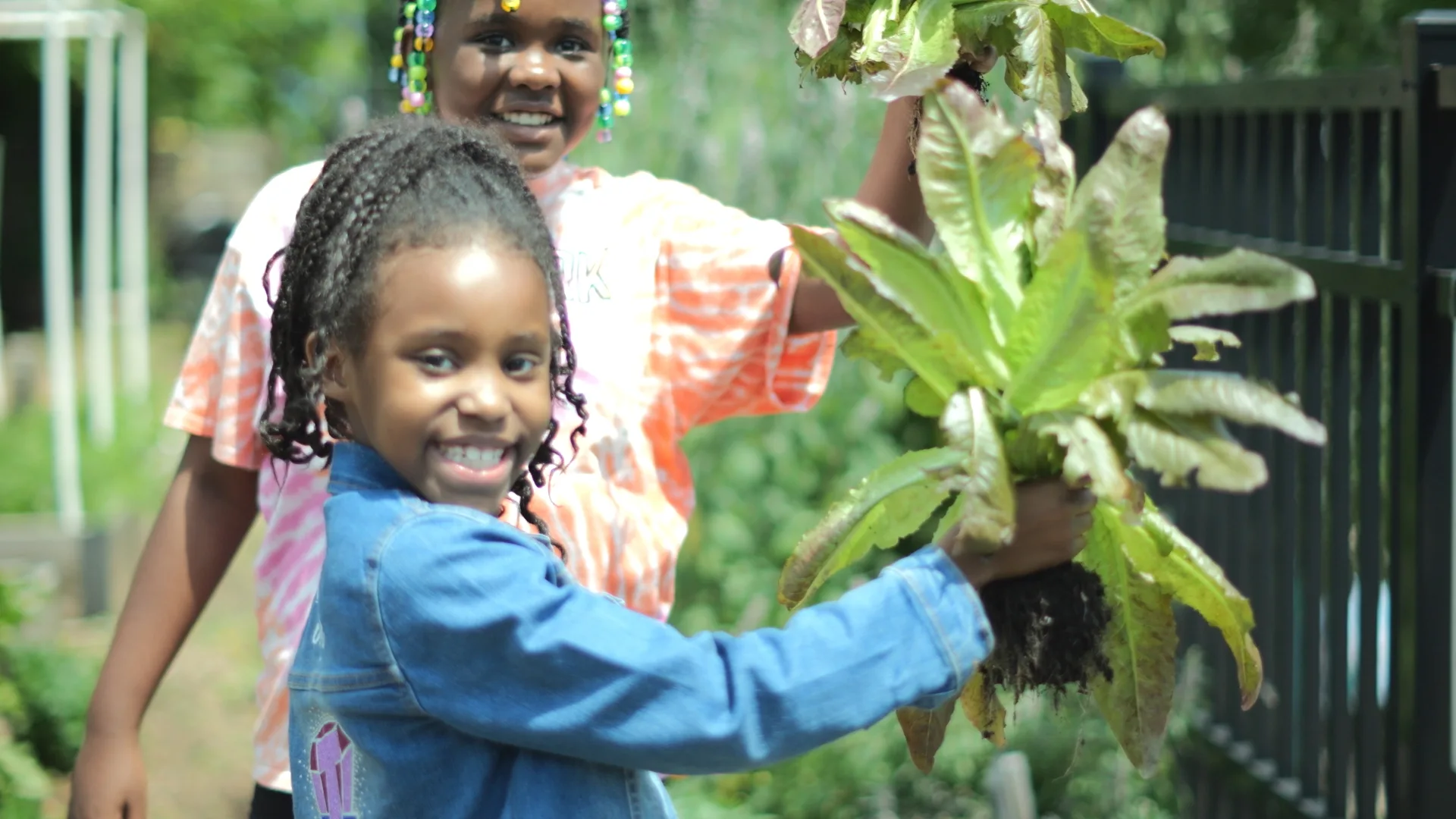
Hands-on learning also helps young people build independence, confidence, and a sense of accomplishment, whether they’re harvesting sweet potatoes in a school garden or learning to prepare traditional foods.
3. Center Cultural Knowledge and Identity in Food Education
Through their Indigenous Foodways work, Central Council of Tlingit & Haida Tribes of Alaska demonstrated the power of connecting youth to traditional foods and cultural practices. Teaching young children about ancestral foods, language terms, and harvesting traditions reinforces identity and self-reliance—while strengthening relationships between elders and youth.
Similarly, Mosaic Film Experience’s storytelling approach encourages students to explore how their own cultural backgrounds, family traditions, and lived experiences shape their relationship to food.
Tip: Ask students to share food traditions from home, learn the names of foods in heritage languages, or explore local Indigenous food histories. Cultural context builds pride — and deeper learning.
4. Make Food Education Joyful and Integrated into School Life
FreshFarm’s FoodPrints program shows what’s possible when food education becomes part of the school culture rather than an occasional enrichment activity. By embedding teachers in schools and aligning lessons with math, science, reading, and social studies, FreshFarm turns food education into joyful, academically rich “in school field trips.”
Students plant seeds, harvest vegetables, cook recipes, and learn about local farmers, all while practicing academic skills. By fourth and fifth grade, students can cook independently, and the experiences stay with them long after the lessons end.
Tip: Look for ways to integrate food into existing subjects — fractions through cooking, biology through gardening, social studies through food systems.
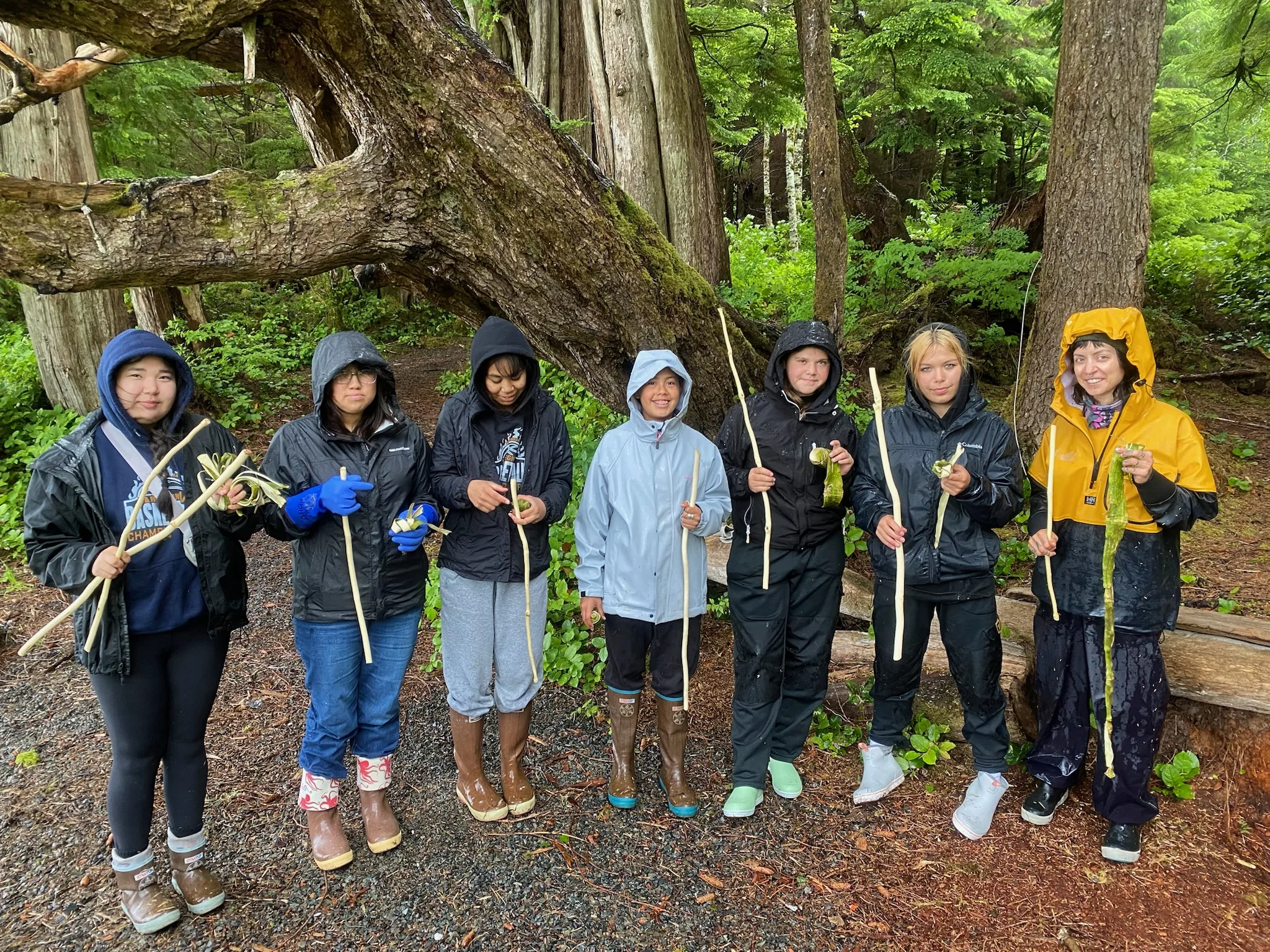
Photo courtesy of Central Council of Tlingit and Haida
5. Build Food Literacy for Long Term Impact
Becoming a food citizen is about agency, understanding systems, and learning to make thoughtful choices. FreshFarm’s collaboration with researchers at George Washington University highlights four dimensions of food literacy:
- Knowledge & skills
- Confidence & independence
- Valuing shared experiences
- Purposeful engagement with food
Tip: Focus on the “why” behind food, not just the “what.” Encourage agency by asking students how food makes them feel, how it shapes their communities, and how they want to participate in food systems.
Hungry for More?
Apply for the Food Justice for kids Prize
Is your organization advancing food justice for kids in the US? Don’t miss the Food Justice for Kids Prize grant opportunity! Apply by April 28, 2026.