

“We were stewards of this region since time immemorial and the traditional ecological knowledge we possess should not be taken for granted.”
For over 10,000 years, the Central Council of the Tlingit and Haida Tribes (Tlingit & Haida) have been stewards of the lands and seas of Southeast Alaska.
The Tlingit & Haida are bound by their shared goals of protecting their lands and people and advancing subsistence. Stewards of the lands and seas are responsible for protecting Haa Aaní, which represent the Tlingit & Haida’s homelands and Tribal Citizens’ responsibility to nurture those lands through sustainable fishing, hunting, and harvesting practices.
However, this traditional knowledge is at risk.
“The impacts of climate change, colonization, and overfishing have made our waters and lands less abundant,” expressed Aaron Angerman, Traditional Food Security Program Manager with the Tlingit & Haida. These factors have disconnected many Tribal Citizens, especially younger ones, from their traditional foods, knowledge, and practices.
In 2022, the Tlingit & Haida acquired federal grants to create the Traditional Food Security program to bridge these traditional knowledge gaps and address growing food insecurity. Through storytelling and providing access to traditional foods like salmon and herring roe, they educate Native youth on harvesting, processing, and food preservation practices. In 2024, the Tribes were awarded the Newman’s Own Foundation Food Justice for Kids Prize and continue to advance food sovereignty within their community today.
“At Newman’s Own Foundation, we understand the challenges Tribal communities face in achieving food sovereignty. Supporting children’s health and preserving traditional foods through education and elders’ stories is essential to this work.”
Advancing Nutrition and Preserving Tradition
Alaska Native youth experience a 50% higher rate of obesity than non-Native youth in the US and 27% of Alaska Native families with children experience poverty. Tlingit & Haida’s Traditional Food Security program addresses this disparity by connecting Native youth with traditional foods that are nutrient dense, unprocessed, and culturally relevant. This, in turn, increases traditional food access, knowledge transmission, and encourages youth to make healthy food choices.
The program is guided by 14 Southeast Alaska Traditional Tribal values. Staff members including Anthony Christianson, Helene Bennett, and Claude Young, and Tribal elders use instructional videos and hands-on demonstrations to teach youth how to harvest, process, and prepare traditional foods such as salmon, black cod, halibut, and plants like beach asparagus and huckleberries.
Teaching young children about ancestral foods, language terms, and harvesting traditions reinforces identity and self-reliance—while strengthening relationships between elders and youth. Using their Food Justice for Kids Prize funding from Newman’s Own Foundation, the Traditional Food Security program also donated over 1,120 pounds of salmon and herring roe to 10 Head Start programs in Alaska, reaching 184 Native youth ages 3-5 years old.
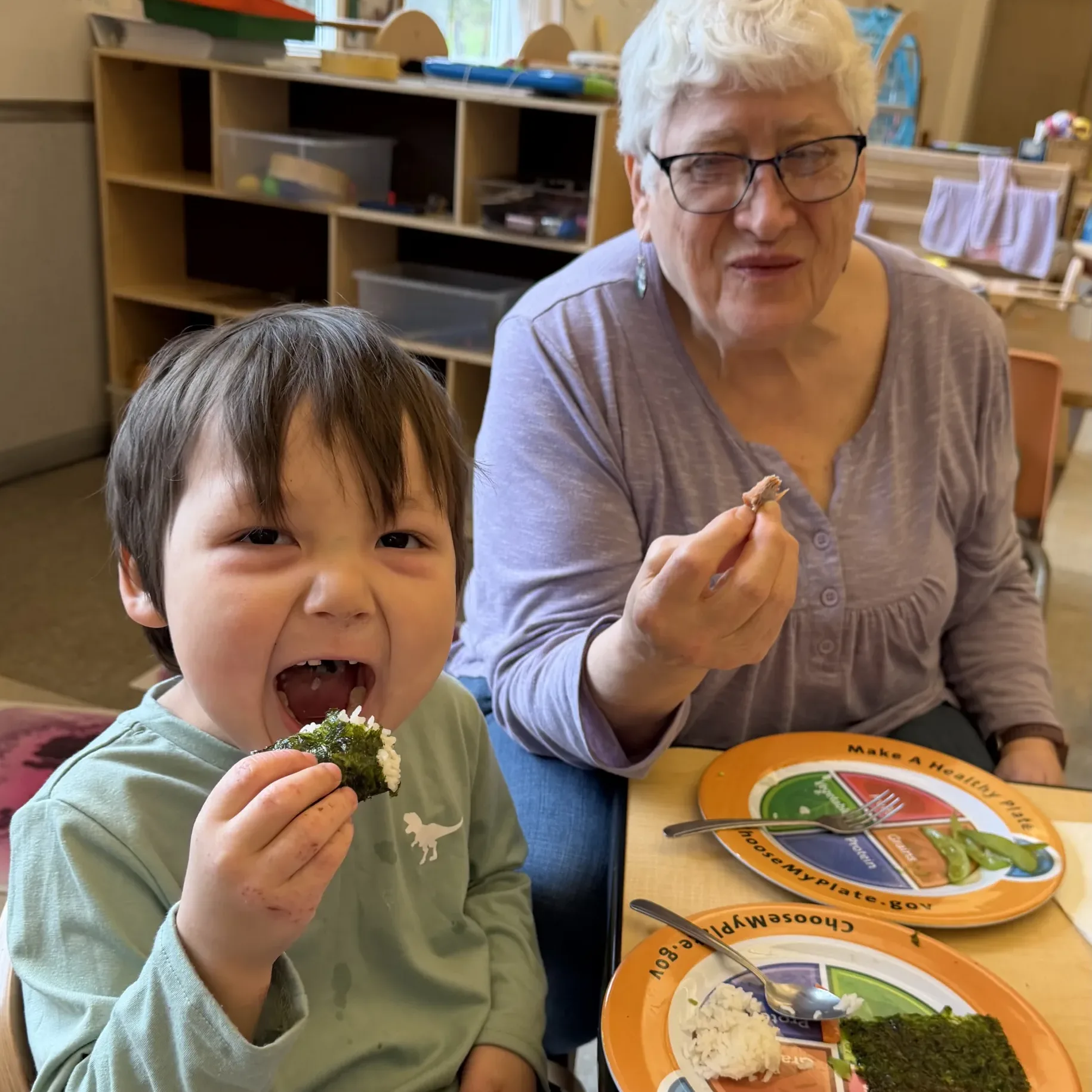
Photo courtesy of Tlingit & Haida.
“Connection is our main driver and indicator of success in this program—connection with youth, food, and our values,” Aaron shared. “With that, we are inspiring the next generation of stewards of our lands and seas.”
With less than 1% of U.S. philanthropy supporting Indigenous communities, the Tlingit & Haida rely heavily on partnerships to implement programming that sustains their communities. This year, the Central Council created the Tlingit & Haida Foundation to advance subsistence and make it easier for people to support and engage with the Tribes.
“We are always rooted in our push to be more sovereign, food secure, and self-sufficient,” Aaron said. “In the future, we would love to create more sustainable practices that help us move towards food sovereignty.”
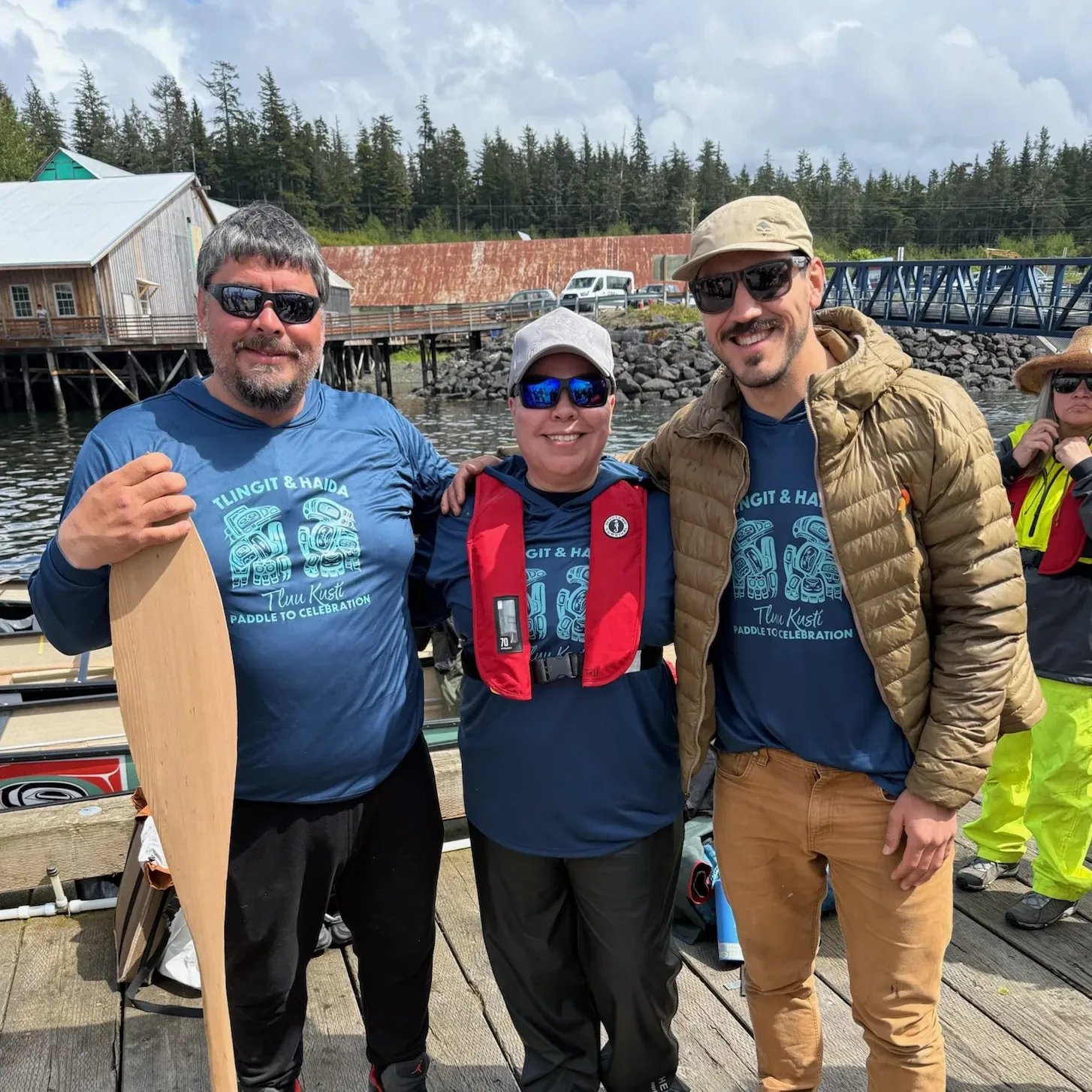
Photo courtesy of Tlingit & Haida.