The challenge
Indigenous people have a long history of growing nourishing, sustainable foods. The seizing of Indigenous lands in the United States over the course of several centuries disrupted Indigenous communities’ knowledge and cultivation of culturally specific foods and food systems. Adding to this injury, many Indigenous children now live in remote regions with limited access to fresh foods. These conditions have contributed to higher rates of food insecurity and risks for chronic diseases among Native American youth, including obesity and Type 2 diabetes.
Food insecure households
> 1 in 4American Indian Alaska Native households with children¹
Total foundation giving
0.4%goes to Native American communities and causes²
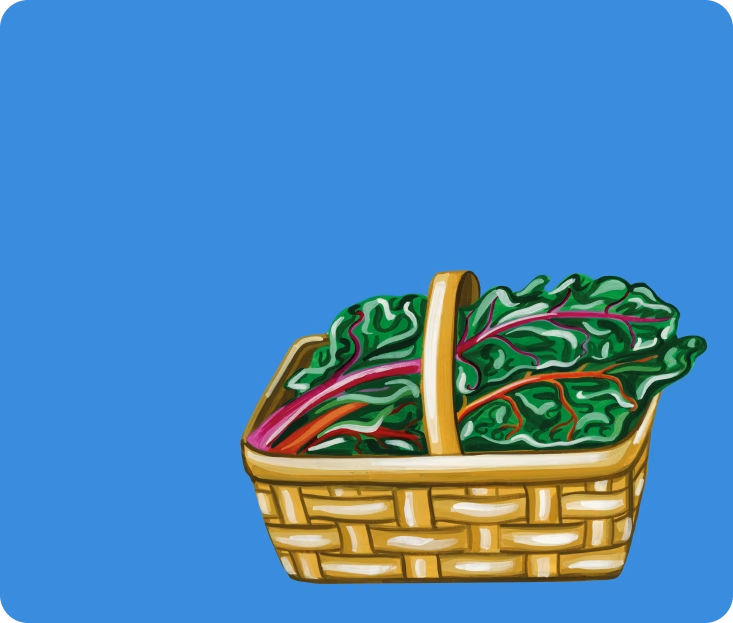
Native Americans living near grocery store
48%reported living >10 miles from the nearest grocery store³
For full citation details, click here.
The opportunity
Indigenous people have long been working to reclaim their traditional food practices and systems. This effort invests in Indigenous children to learning about, growing, gathering, and cooking Native foods. Such work is key for increased physical, mental, emotional,and spiritual well-being, and for supporting Indigenous children’s ability to thrive and reach their full potential.
We are creating new pathways to support food justice for Indigenous children by:
- Investing in the rematriation of traditional, nutritious, and affordable foods;
- Shifting control and stewardship of food resources to Indigenous communities to benefit children; and
- Supporting the ability of Indigenous children to respond to their needs for healthy, culturally relevant Indigenous foods
Dollars granted in 2025
$3.4M
Grantee partners supported in 2025
28
Meet our grantee partners
Grantee Partners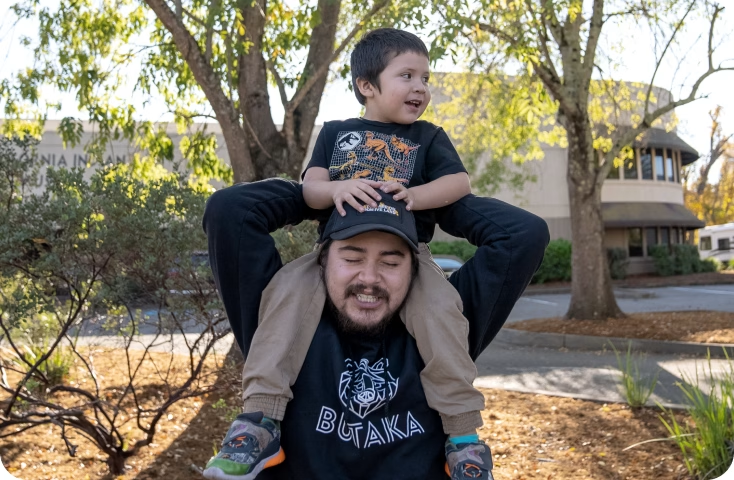
Photo courtesy of California Indian Museum.
Central Council of Tlingit & Haida Indian Tribes of Alaska
Integrating Alaskan cultural traditions in school meals
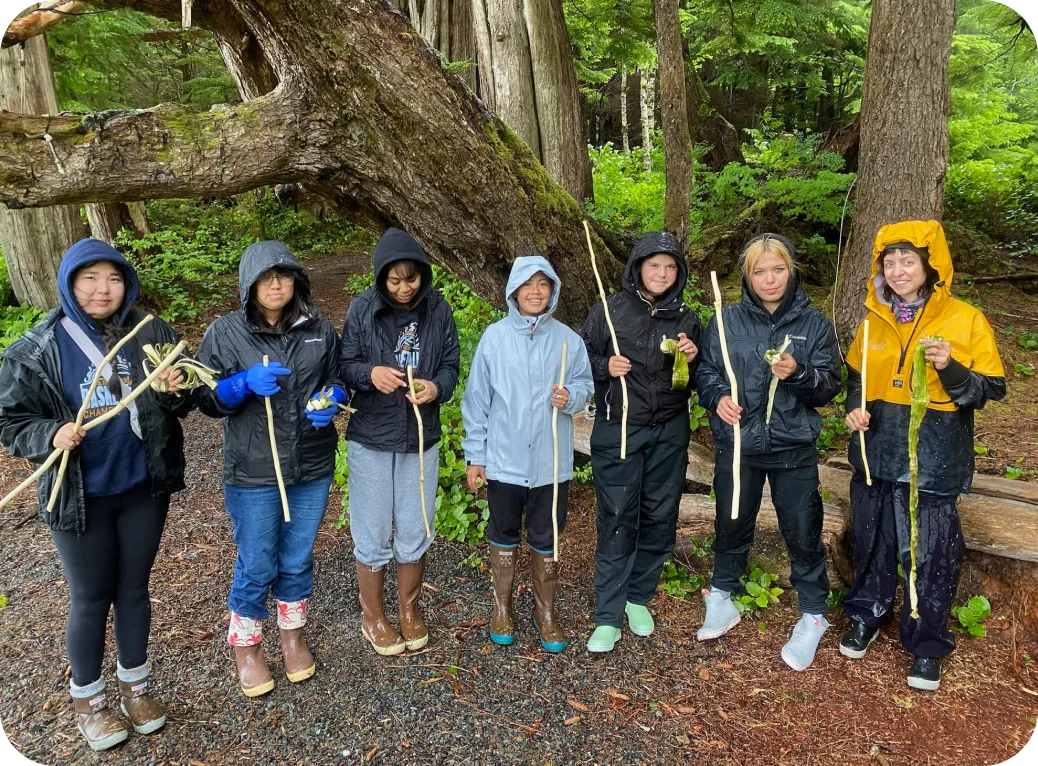
Photo courtesy of Central Council of Tlingit & Haida Indian Tribes of Alaska.
Central Council of Tlingit & Haida Indian Tribes of Alaska
The Central Council of Tlingit & Haida Indian Tribes of Alaska’s Traditional Food Security program bridges the traditional knowledge gap between elders and youth by teaching harvesting, processing, and food preservation through education, storytelling, and access to traditional foods.
The results:
- 180+ children ages 3-5 engaged in hands-on nutrition education using culturally relevant curriculum on traditional food preparation.
- 2,300 pounds of traditional Indigenous foods, including smoked salmon and herring roe – replaced processed foods in 14 classrooms across Southeast Alaska.
- Incorporated traditional Southeast Alaskan foods into national Dr. Yum’s Preschool Food Adventure curriculum.
“Integrating traditional foods into classrooms not only enriches hands-on learning, but also fosters cultural awareness and connection to our heritage. It promotes social and emotional growth while instilling a love for learning about Native food systems. This nutrition program not only celebrates cultural heritage but also empowers students with essential life skills, creating a holistic educational experience.”
—Patricia Gardner, Tlingit & Haida Head Start Nutrition Coordinator
Photo courtesy of Central Council of Tlingit & Haida Indian Tribes of Alaska.
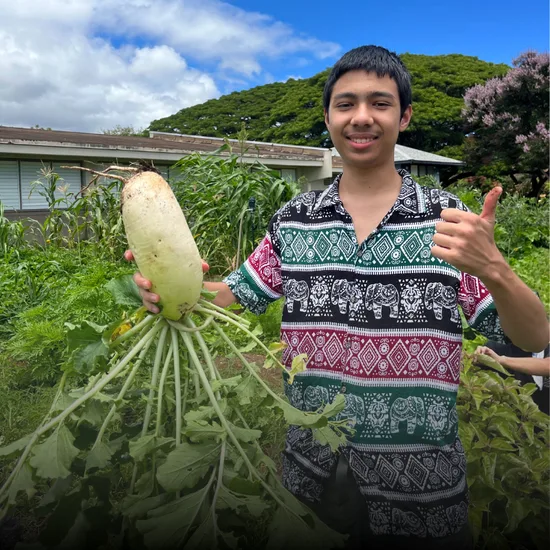
Ma Ka Hana Ka ‘Ike
Cultivating Hawaiian heritage through food and land
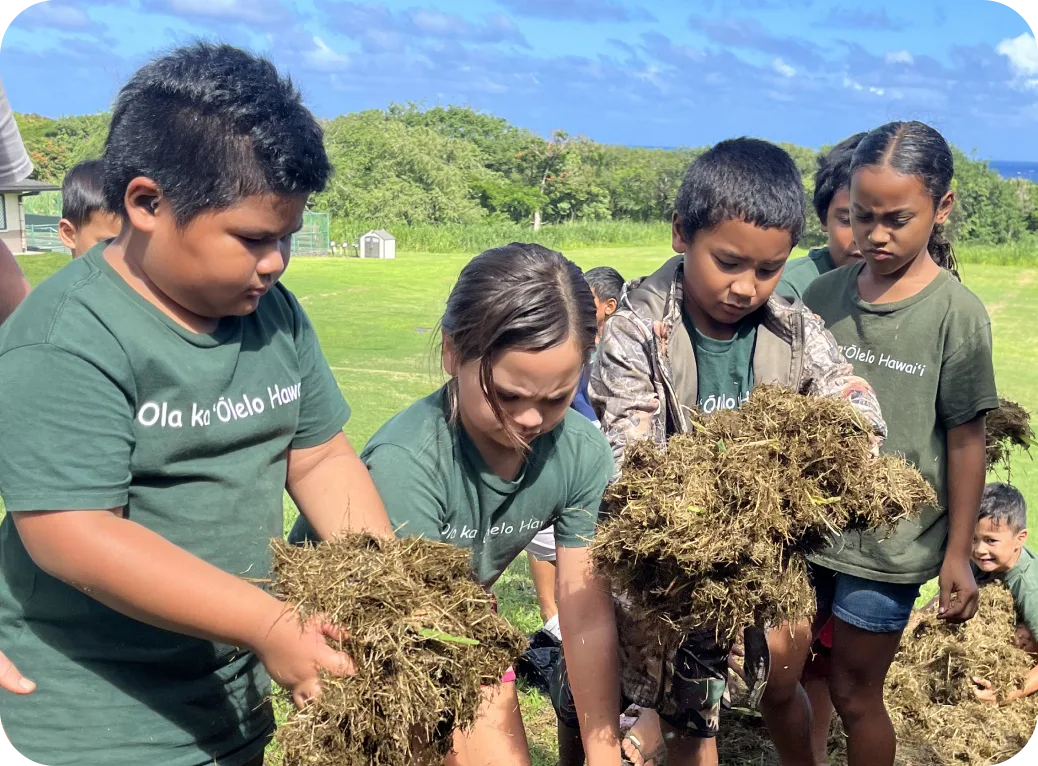
Photo courtesy of Ma Ka Hana Ka 'Ike.
Ma Ka Hana Ka ‘Ike
Ma Ka Hana Ka ‘Ike’s mission is to provide Hāna’s youth with a way to learn that makes sense to them, builds their self-esteem, and shows them they have the power to shape their future. Through an expanded culinary apprenticeship program with visiting professional chefs, the organization provides meaningful work-based learning opportunities that strengthen environmental stewardship, intergenerational relationships, and technical skills while introducing career pathways and new culinary techniques.
The results:
- 94% of youth reported possessing new culinary skills they will use in the future.
- 92% of youth reported a more positive cultural identity from their participation.
“This workshop taught me a lot about how I can make local food with ʻāina [land]-based ingredients. It was a mixture of food, culture, and creativity. This experience made me more confident and inspired me to bring Hawaiian ingredients and test them with my skills.”
—Culinary apprentice student
Photo courtesy of Ma Ka Hana Ka 'Ike.
Zuni Youth Enrichment Project
Connecting language, culture, and healthy habits
Zuni Youth Enrichment Project
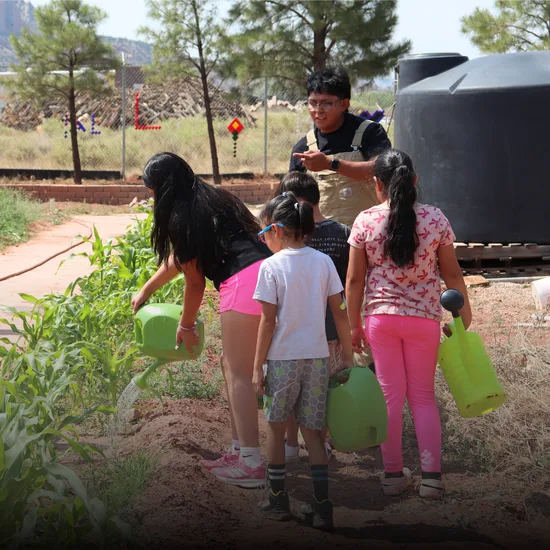
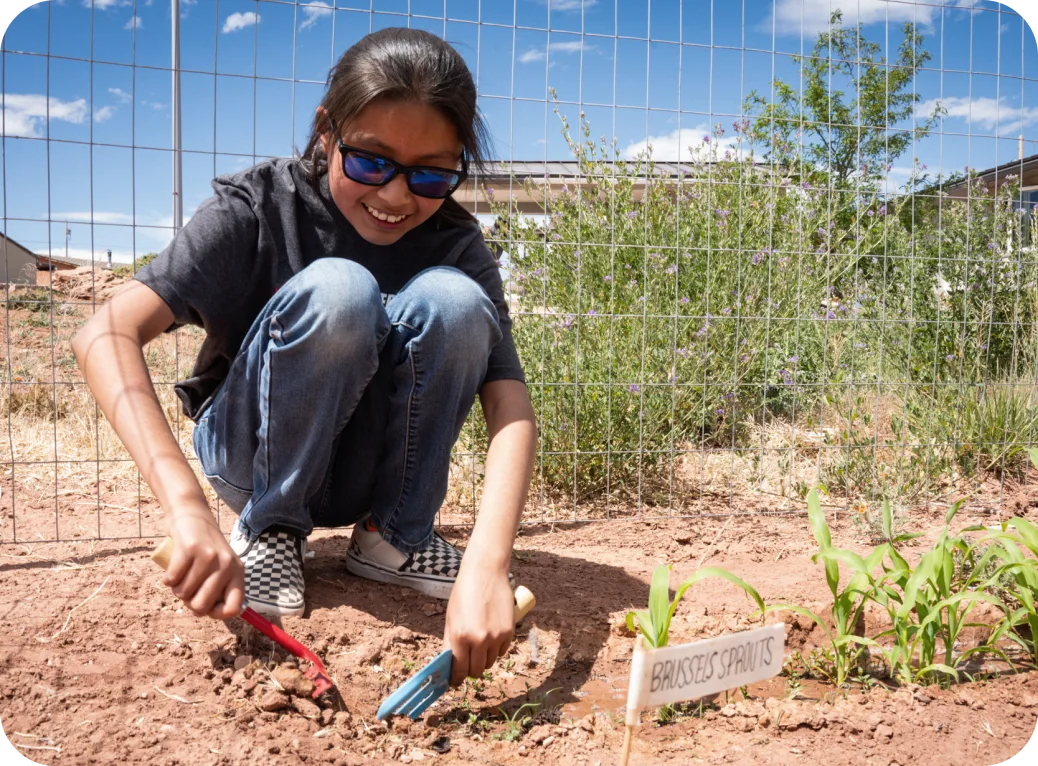
Zuni Youth Enrichment Project promotes resilience among Zuni youth so they grow into strong, healthy adults connected with Zuni traditions. Through initiatives like Family Cook Nights, a Garden & Rain Harvest Initiative, and summer camp, Zuni Youth Enrichment Project provides culturally rooted, interactive learning opportunities where Zuni children and families grow and cook healthy foods while strengthening their connection to Shiwiʼma (Zuni culture and language).
The results:
Nearly 800 youth participated in afterschool, summer, and community programs in 2025.
Among summer camp participants:
- 53% of youth reported knowing how to make healthy meals, up from 42% before participating.
- 74% of youth said they enjoy taking care of a garden, up from 59% before participating.
“I like art and knowledge sharing and the cooking classes. I never miss out!”
–Joelle L., 3rd Grader Afterschool Program Participant
Dream of Wild Health
Indigenous Kids Reclaiming Sovereignty in the Twin Cities
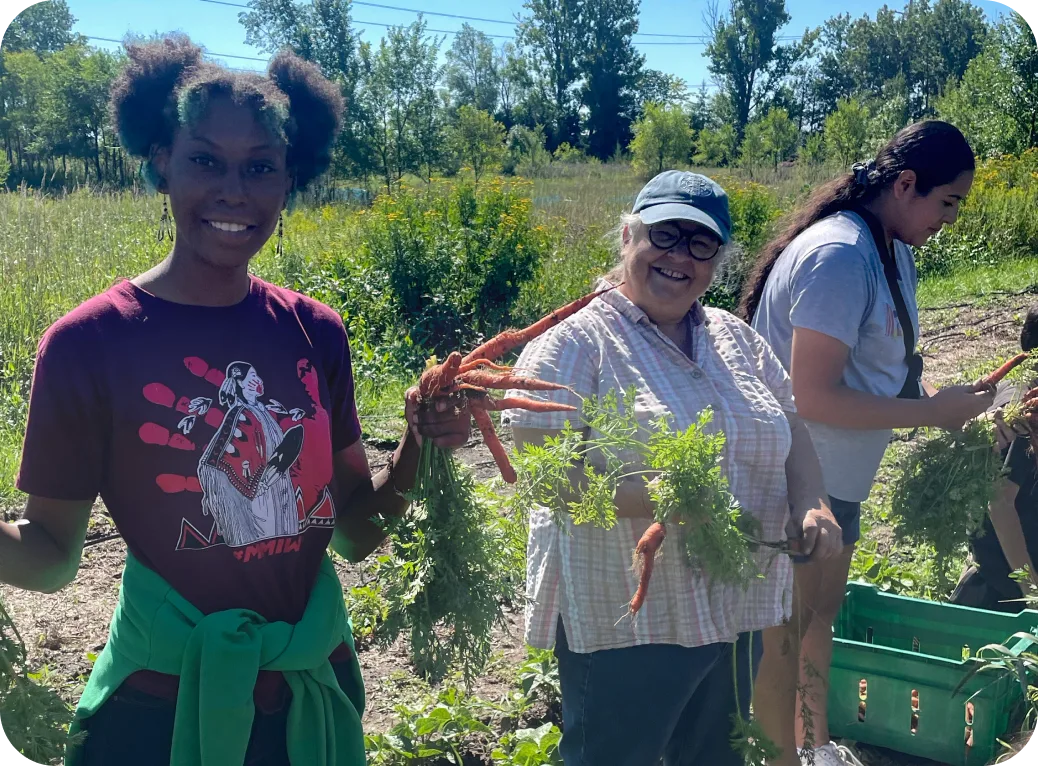
Photo courtesy of Dream of Wild Health.
Dream of Wild Health
The mission of Dream of Wild Health is to restore health and well-being in the Native community by recovering knowledge of and access to healthy Indigenous foods, medicines, and lifeways. To achieve this vision, staff work to build community, share Indigenous traditional knowledge, teach about and advocate for food sovereignty, host workshops and community events, and support community partner organizations, schools, and Tribal communities.
Photo courtesy of Dream of Wild Health.
GBH’s Molly of Denali
Introducing traditional foods, food practices, and other aspects of Alaska Native and Indigenous cultures to kids through television
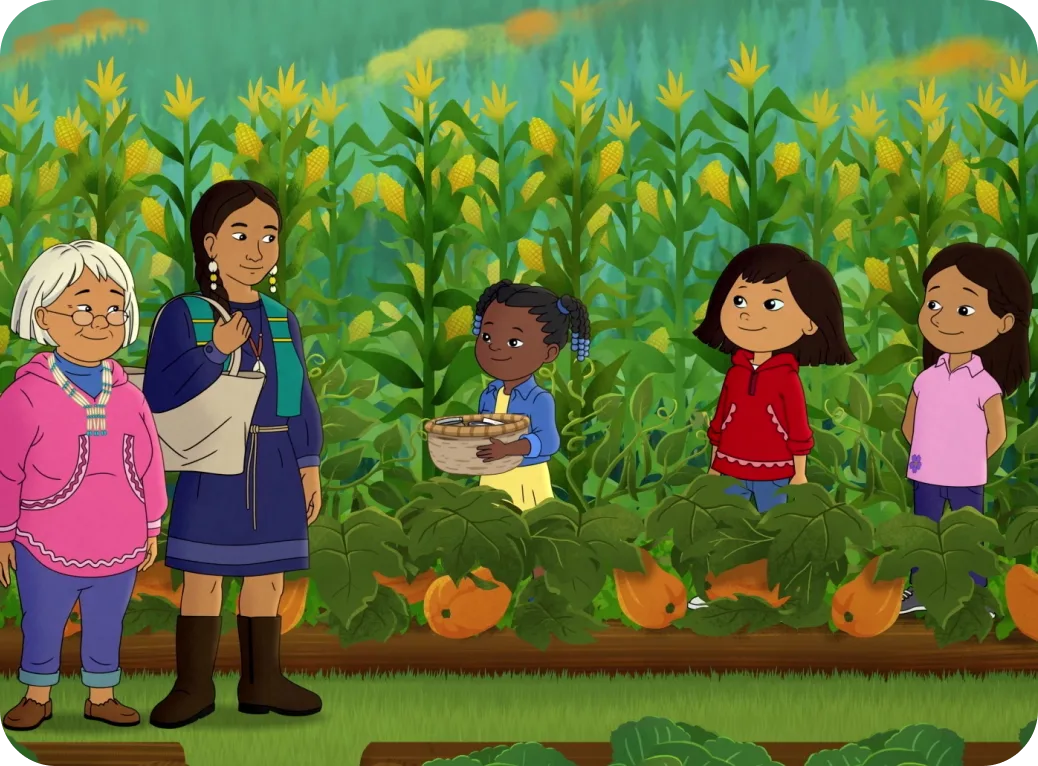
Image courtesy of Molly of Denali.
GBH’s Molly of Denali
The PBS KIDS animated series Molly of Denali follows 10-year-old Molly Mabray, an Alaska Native girl who lives in the fictional village of Qyah, Alaska. Through streamed and broadcast episodes, a podcast, games, and educational resources, Molly’s adventures help build literacy skills while introducing traditional foods, food practices, and other aspects of Alaska Native and Indigenous cultures to kids ages 4-8 nationwide. Molly of Denali is the first nationally distributed children’s series to feature Indigenous lead characters.
Image courtesy of Molly of Denali.
North American Traditional Indigenous Food Systems
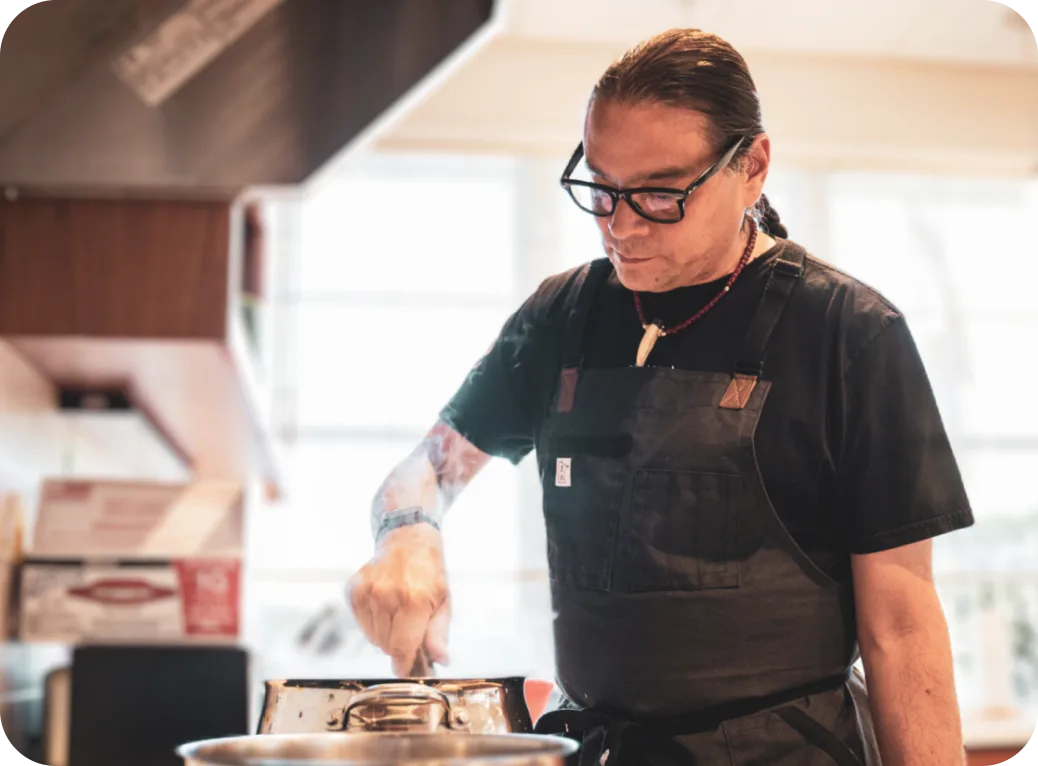
Photo courtesy of NATIFS.
North American Traditional Indigenous Food Systems
North American Traditional Indigenous Food Systems (NĀTIFS) is the nonprofit founded by Lakota Chef Sean Sherman of The Sioux Chef. NĀTIFS and the Indigenous Food Lab are working to address the economic and health crises affecting Native communities by re-establishing Native foodways; its mission is to promote Indigenous foodways education and facilitate Indigenous food access.
Photo courtesy of NATIFS.

Latest on Indigenous Food Justice
Read more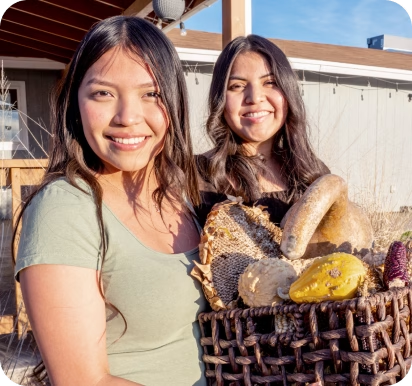
Photo courtesy of Nalwoodi Denzhone Community.
Give with Us
A donation to Newman’s Own Foundation supports organizations working to nourish and transform the lives of children who face adversity.
After donation platform fees, 100% of your tax-deductible funds will be directed towards our grants.